![High-quality HDPE, PPR, PE, and PVC pipes supplied to projects worldwide – [Ten Dharma Realms Pipeline Company] | Exported to Europe, America, the Middle East, Southeast Asia, and Central Asia,Factory direct wholesale](https://sfjindustry.com/wp-content/uploads/2026/03/cropped-更换logo背景为透明-1.png)
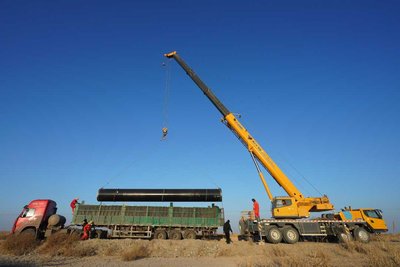
Introduction: The Imperative for Modernization
Rapid urbanization places immense pressure on aging infrastructure. Specifically, water management systems are reaching their limits. Cities are expanding, yet the pipes beneath them remain static. Consequently, heavy rainfall events now cause significant disruptions. Streets transform into rivers, and basements flood. This is not merely an inconvenience; it is a public safety crisis. Therefore, an urban drainage and flood control pipe upgrade is no longer optional. It is a strategic necessity for sustainable development.
The Crisis: Combined Sewer Overflows
Most legacy cities rely on combined sewer systems. In this setup, stormwater and sanitary sewage share the same pipe. Historically, this design was sufficient. However, population growth has rendered it obsolete. When intense rain occurs, the system’s capacity is quickly exceeded. As a result, mixed wastewater overflows into local waterways. This pollution harms the environment and public health. Furthermore, the hydraulic overload causes backups into private properties. To mitigate these risks, we must separate these flows.
The Solution: Strategic Pipe Separation
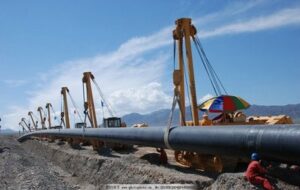
The core of the solution lies in separation. We must decouple stormwater from sanitary waste. Firstly, dedicated storm drains collect surface runoff. Secondly, sanitary sewers transport wastewater to treatment plants. By doing this, we optimize the efficiency of both networks. The treatment plants are not overwhelmed by clean rainwater. Simultaneously, flood risks decrease because storm pipes can be sized specifically for peak flow. This approach defines a successful urban drainage and flood control pipe upgrade.
Engineering the Upgrade: Key Phases
Executing this upgrade involves several critical stages. Initially, engineers must conduct a comprehensive condition assessment. We use CCTV cameras to inspect existing pipes. Then, we identify bottlenecks and structural defects. Following the assessment, the design phase begins. Engineers calculate the required capacity for future climate scenarios. Moreover, they plan the routing to minimize surface disruption.
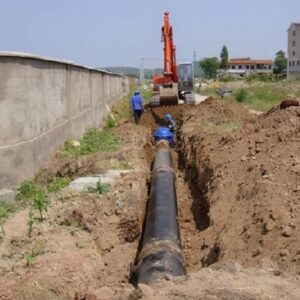
- Excavation and Installation: Trenching is the traditional method. Alternatively, trenchless technology can be used for minimal disruption.
- Material Selection: We choose high-durability materials like HDPE or PVC. Specifically, these materials resist corrosion and root intrusion.
- Connection: Finally, we connect the new mains to lateral lines.
Technology: Smart Flood Control Integration
Modern upgrades go beyond simple concrete and plastic. In addition to physical pipes, we integrate smart technology. Sensors are placed at critical junctions. These devices monitor flow rates and water levels in real-time. If the system detects a potential blockage, it alerts operators immediately. Consequently, maintenance crews can respond before a flood occurs. This digital layer enhances the physical urban drainage and flood control pipe upgrade.
For advanced sensor specifications, you can visit the US EPA’s guidelines on Smart Water Infrastructure
Environmental and Economic Benefits
Investing in this infrastructure yields high returns. From an environmental perspective, water quality improves significantly. Pollutants are directed to treatment facilities rather than rivers. Economically, the benefits are equally compelling. For instance, property values stabilize in areas with reliable drainage. Furthermore, businesses suffer less downtime due to flood closures. Although the upfront cost is significant, the long-term savings are substantial.
Sustainable Urban Drainage Systems (SuDS)
Pipes alone cannot solve every issue. Therefore, we combine pipe upgrades with Surface Water Management. We incorporate permeable pavements and green roofs. These features reduce the volume of water entering the pipe network. By managing water at the source, we reduce the burden on the underground infrastructure. Ultimately, this creates a holistic defense against flooding.
Conclusion: Building a Resilient Future
The path forward is clear. We cannot rely on century-old solutions for modern problems. To ensure safety, we must act decisively. An urban drainage and flood control pipe upgrade protects our communities. Additionally, it safeguards our environment. Whether through trenchless repair or complete separation, the goal remains the same. We must build systems that withstand the test of time.Contact our engineering team for a consultation