![High-quality HDPE, PPR, PE, and PVC pipes supplied to projects worldwide – [Ten Dharma Realms Pipeline Company] | Exported to Europe, America, the Middle East, Southeast Asia, and Central Asia,Factory direct wholesale](https://sfjindustry.com/wp-content/uploads/2026/03/cropped-更换logo背景为透明-1.png)
Introduction
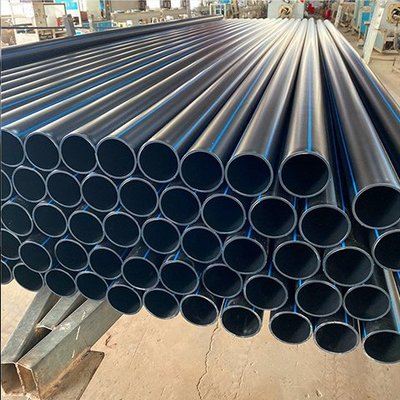
Pipeline installation is an essential part of modern municipal and building construction. PE, PPR and PVC pipes are widely adopted across global infrastructure projects. These materials serve water supply, drainage and indoor plumbing systems in various engineering sites.
Different pipe categories apply unique connection techniques. PE and PPR pipes rely mainly on hot melting connection. PVC pipes take adhesive bonding as the mainstream joining method. The quality of connecting joints directly decides the overall safety and service life of the whole pipeline.
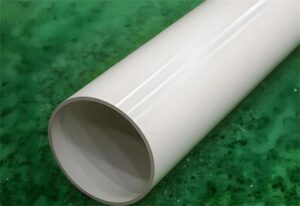
Irregular construction behaviors will trigger various hidden quality defects. Joint loosening, water leakage and structural fracture often appear at connecting positions. These flaws lead to repeated construction work and extra project cost. They also bring potential safety risks during long term operation.
Many construction teams lack unified standard operating specifications. Workers cannot handle emerging defects in an effective way. This article focuses on practical hot melting and bonding construction work. It sorts out frequent quality faults and puts forward targeted solutions. The content fits real overseas engineering scenarios and follows Google inclusion rules. It offers reliable technical guidance for construction staff and project managers worldwide.
2.1 Working Principle of PE and PPR Hot Melting Connection
Hot melting connection is a mature physical fusion joining method. It matches the molecular structure features of PE and PPR raw materials. Professional heating tools raise the surface temperature of pipe ends within standard scope.
Pipe outer walls and fitting inner walls turn into soft molten status. Construction workers align and insert molten parts in a quick and steady manner. Molecules from different sections blend and recombine naturally.
After sufficient cooling and shaping, pipes and fittings form an integrated structure. The joint area owns mechanical strength and sealing ability close to original pipe bodies. This connection style boasts stable structure and outstanding pressure resistance.
It fits buried long-distance water pipelines and indoor hot and cold water circulation systems. Standard hot melting operation can prevent liquid leakage under regular working pressure.
2.2 Working Mechanism of PVC Adhesive Bonding Connection
PVC bonding connection is achieved through chemical adhesion reaction. Special glue acts as the bonding medium between pipes and matching fittings.
Coated adhesive dissolves tiny surface molecules of PVC materials gently. It fills up subtle gaps on contact surfaces. Solvent inside the glue evaporates gradually in natural environment.
Dissolved material layers solidify again to lock pipes and fittings tightly. Complete sealed joints take shape after full curing. This joining way needs no heating devices and features simple operating steps.
Bonded PVC joints can bear relatively low pressure load. They are commonly used in building drainage, sewage discharge and low-pressure fluid delivery projects.
3. Typical Quality Defects Found in Practical Construction
3.1 Regular Defects of PE and PPR Hot Melting Joints
Insufficient melting depth is one of the most common faults. Pipe ends fail to reach effective fusion range during heating process. The formed joint holds weak connecting strength. Separation may happen under water pressure or external impact force.
Excessive melting also causes serious hidden dangers. Too high temperature or prolonged heating time over softens pipe walls. Inner pipe holes shrink and narrow visibly. Water flow volume drops and pipeline blockage occurs easily.
Position deviation often takes place while inserting molten pipes. Pipe bodies and fittings cannot keep central alignment. Fusion area presents uneven thickness distribution. Concentrated local stress will result in cracks and water leakage in later use.
Cold joint damage arises from rushed construction progress. Workers finish insertion before materials reach ideal molten state. Molecular fusion degree stays far below standard level. Sealing performance of joints declines sharply.
Scratches and impurity contamination also affect joint quality. Dust, gravel and sharp scratches destroy smooth pipe surfaces. Foreign substances hinder tight molecular combination and leave hidden leakage risks.
3.2 Frequent Defects of PVC Bonding Joints
Inadequate glue coating is a typical bonding defect. Partial contact surfaces lack enough adhesive coverage. Hollow gaps remain between pipes and fittings after curing. Liquid seeps out from gaps and causes pipeline leakage.
Excessive glue application brings extra troubles as well. Surplus glue overflows to inner pipe walls and solidifies later. Solidified adhesive residues narrow pipeline inner space and hinder normal water circulation.
Improper assembly timing damages bonding stability. Workers rotate or pull pipes randomly before glue solidification. Fixed positions shift and bonding compactness reduces greatly. Joints become loose and cannot bear regular working load.
Surface dirt and moisture seriously weaken bonding effect. Dust, water stains and oil stains stay on connecting surfaces. These isolation substances stop effective combination between materials and adhesive. Joint aging speed accelerates and service life shortens obviously.
Uneven cutting section also influences final bonding quality. Slant and rough pipe ends cannot fit closely with fittings. Unbalanced stress distributes on joints and cracks appear under slight external force.
4. Root Causes of Various Construction Quality Defects
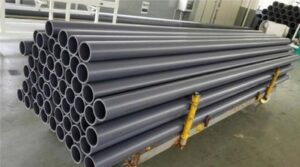
4.1 Human Operation Factors
Many workers do not master standard operating parameters. They set heating temperature and time based on personal experience. Random operation easily leads to insufficient or over melting problems.
Some construction staff pursue fast working speed blindly. They skip necessary surface cleaning and standing curing procedures. Hasty assembly directly causes unqualified joint forming.
Professional skill level differs among team members. New workers lack practical construction experience. They cannot judge molten status and bonding curing degree accurately. Misoperation brings various hidden quality troubles.
Safety and quality awareness stay insufficient in partial teams. Staff ignore detailed construction norms for convenient operation. Casual behaviors gradually accumulate into serious pipeline defects.
4.2 Equipment and Material Factors
Aging and faulty heating tools affect hot melting effect. Unstable temperature output cannot provide consistent heating condition. Pipe ends receive uneven heat and fail to form qualified molten layers.
Unqualified raw materials restrict joint quality fundamentally. Inferior PE, PPR and PVC pipes have unstable material density. Their melting performance and adhesive affinity cannot meet engineering standards.
Expired or mismatched bonding glue loses original effectiveness. Failed adhesive cannot produce strong chemical combination. Joint peeling and leakage problems emerge frequently in practical use.
Improper tool cutting leaves rough and slant pipe sections. Damaged pipe surfaces lose basic conditions for tight connection. Defective base materials increase defect occurrence probability.
4.3 Environmental and Site Factors
Ambient temperature changes interfere with construction effect. Low temperature speeds up molten material cooling speed. High temperature accelerates glue volatilization and shortens effective assembly time.
Humid and rainy site environment brings moisture pollution. Water stays on connecting surfaces and weakens fusion and bonding effect. Wind and dust also contaminate pipe surfaces during open-air construction.
Uneven ground foundation causes pipe position shift. External vibration and heavy object extrusion impact newly formed joints. Unstable external environment destroys joint structural compactness.
5. Targeted Solutions to Eliminate Connection Defects
5.1 Improvement Measures for PE and PPR Hot Melting Problems
Strictly follow standard heating parameters according to pipe specifications. Set fixed temperature and heating time matching different pipe diameters. Avoid arbitrary adjustment based on personal operating habits.
Complete thorough surface cleaning before hot melting work. Clear away dust, water and scratches on pipe ends. Guarantee clean and smooth contact surfaces for full molecular fusion.
Control insertion speed and alignment status steadily. Keep pipes and fittings on the same central axis during assembly. Stop pushing immediately once reaching standard depth to prevent over extrusion.
Arrange sufficient natural cooling time after joint assembly. Do not move or stress newly formed joints before complete shaping. Stable cooling helps obtain solid and sealed connecting structure.
Repair defective joints in standardized ways. Cut off unqualified connecting parts thoroughly. Carry out hot melting operation again with qualified materials and standard steps. Replace seriously damaged pipes directly to ensure overall safety.
5.2 Effective Solutions for PVC Bonding Defects
Master reasonable glue coating quantity evenly. Cover all contact surfaces without missing areas. Avoid excessive glue overflow to prevent inner pipeline residue pollution.
Finish pipe assembly within valid bonding time. Keep fixed position steadily after insertion. Do not rotate or pull pipes before adhesive completes curing reaction.
Remove all surface pollutants thoroughly ahead of bonding. Wipe off water stains, oil and dust completely. Keep dry and clean surfaces to guarantee reliable adhesive combination.
Guarantee flat and vertical pipe cutting sections. Use professional cutting tools to process pipe ends. Neat sections achieve perfect fitting effect with matched fittings.
Store bonding glue in dry and cool environment. Check production date and applicability before use. Abandon expired and deteriorated adhesive to avoid unqualified bonding results.
5.3 Unified Site Construction Management Rules
Organize regular professional skill training for all construction workers. Explain connection principles, standard steps and defect hazards clearly. Improve staff operation proficiency and quality awareness.
Inspect construction tools and raw materials before daily work. Replace aging and faulty heating and cutting devices timely. Reject unqualified pipes and adhesive from entering construction sites.
Adjust construction schedule according to real environmental conditions. Arrange hot melting and bonding work under proper temperature and humidity. Take dustproof and waterproof measures in open working areas.
Add real-time quality inspection links during construction. Supervisors check joint forming effect randomly. Discover and correct irregular operations at the earliest stage. Reduce defect quantity fundamentally.
6. Key Daily Control Points for Pipeline Construction
Strict material acceptance check serves as the first defensive line. Verify product certification and performance parameters of all pipes and accessories. Reject inferior products to avoid hidden quality risks from the source.
Classify construction operation by pipe types strictly. Do not mix hot melting and bonding techniques randomly. Adopt exclusive operating standards for PE, PPR and PVC connection work.
Keep complete construction records on site. Note down operating time, temperature and material batch information. Trace construction details conveniently once quality problems occur.
Carry out pressure test after pipeline assembly. Test actual sealing and bearing capacity of all joints. Confirm no leakage and deformation before delivering subsequent construction procedures.
Maintain regular maintenance and inspection after project completion. Check joint status periodically in daily operation. Handle tiny abnormal conditions promptly to prevent large scale damage.
7. Conclusion
Hot melting and bonding are two core connecting technologies for plastic pipeline construction. PE and PPR hot melting joints focus on physical fusion strength. PVC bonding joints emphasize chemical sealing stability.
Various common quality defects come from improper operation, defective supplies and unstable site environment. These faults damage pipeline safety and increase project maintenance cost.
Standardized operating steps, qualified raw materials and strict site management can effectively reduce defect occurrence. Targeted repairing methods solve existing connection problems steadily.
Construction teams need to upgrade professional skills and quality management level continuously. Follow engineering norms strictly in all connection procedures. Create safe and durable pipeline systems for global municipal and building infrastructure projects.
Partner Links: