![High-quality HDPE, PPR, PE, and PVC pipes supplied to projects worldwide – [Ten Dharma Realms Pipeline Company] | Exported to Europe, America, the Middle East, Southeast Asia, and Central Asia,Factory direct wholesale](https://sfjindustry.com/wp-content/uploads/2026/03/cropped-更换logo背景为透明-1.png)
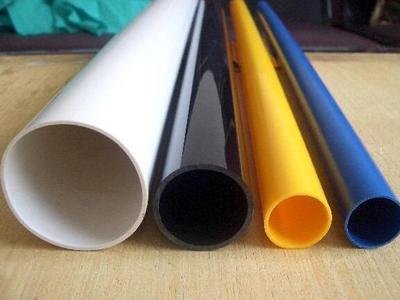
Introduction
Each region faces unique environmental hurdles that test the limits of construction materials.
From extreme heat and corrosive soils to heavy monsoons and shifting ground, these conditions demand durable, adaptable solutions.
Water supply, drainage, irrigation, and industrial networks all depend on reliable piping systems.
For engineers and contractors, the choice of pipe material can make or break a project’s long-term success.
In contrast, the right pipe reduces operational headaches and extends the life of the entire network.
This article examines the most widely used pipe types in these three key markets.
It compares HDPE, PVC, ductile iron, steel, and PEX pipes side by side.
It also explores regional preferences, performance in harsh conditions, and real-world project data.
By the end, you’ll understand why one material stands out above all others.
2. Key Environmental and Infrastructure Challenges in Target Regions
2.1 Middle East: Arid Heat and Corrosive Soils
Dry, sandy soils often contain high levels of salt and other corrosive elements.
Water scarcity remains the most pressing issue, driving massive investments in desalination and water transport.
Pipes here must resist both heat-induced deformation and chemical corrosion.
Mega projects like smart cities, industrial zones, and large residential complexes require non-negotiable reliability.
For these reasons, long service life and low maintenance are critical factors in every pipe selection.
2.2 Africa: Diverse Climates and Rapid Urbanization
Rapid urbanization is straining existing water and sanitation infrastructure in many countries.
Expanding agricultural sectors also require robust irrigation networks to support food security.
Many rural areas lack access to advanced maintenance services.
Pipes must therefore be durable, low-cost, and easy to repair with basic tools.
Flexibility is also essential to navigate uneven terrain and occasional ground movement.
2.3 Southeast Asia: Tropical Humidity and Monsoons
Soft, waterlogged soils are common, leading to frequent settlement and shifting ground.
Urban centers like Jakarta, Ho Chi Minh City, and Kuala Lumpur are growing at breakneck speed.
New drainage, sewage, and water supply systems must keep pace with development.
Pipes must resist moisture-related degradation, chemical damage, and ground movement.
Leak-proof joints and long-term reliability are non-negotiable in these challenging conditions.
3. Overview of Major Pipe Types Used in the Regions
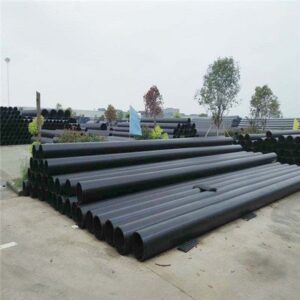
3.1 HDPE (High-Density Polyethylene) Pipes
They are lightweight, highly flexible, and completely resistant to corrosion.
Unlike metal pipes, they never rust, scale, or degrade from chemical exposure.
Most HDPE pipes have a projected lifespan of 50+ years with minimal maintenance.
They also handle a wide temperature range, from -40°C to 60°C, making them ideal for all three regions.
They can bend to follow natural terrain contours without cracking.
Heat-fused joints create seamless connections that eliminate the risk of leaks.
This makes them perfect for long-distance water transport and irrigation networks.
From desalination plants to rural boreholes, HDPE adapts to nearly every use case.
3.2 PVC (Polyvinyl Chloride) Pipes
They are widely available, affordable, and simple to install with basic tools.
For low-pressure water supply, drainage, and small-scale irrigation, they remain a popular choice.
They resist many common chemicals and do not corrode like metal pipes.
Extreme cold can make them brittle, leading to cracks under pressure.
Direct sunlight causes UV degradation, weakening the material over time.
Their lifespan is typically 20–30 years, much shorter than HDPE.
They also require more joints, which increases the risk of leaks in the long run.
3.3 Ductile Iron Pipes
They are exceptionally strong and can withstand high internal pressure and external loads.
Municipal water supply and large-scale sewage systems have used them for decades.
With proper coatings, they can resist corrosion for up to 100 years.
They are also far more expensive upfront than plastic alternatives like HDPE or PVC.
For many budget-limited projects, these costs make ductile iron unfeasible.
Their rigidity also makes them vulnerable to damage from shifting soils.
3.4 Steel Pipes
They are primarily used in oil and gas pipelines, high-pressure industrial systems, and heavy infrastructure.
They can handle extreme pressure and high-temperature fluids without deforming.
They require expensive protective coatings or cathodic protection systems to prevent rust.
These add significant upfront and ongoing costs to any project.
Their heavy weight also increases transport and labor expenses, especially in remote locations.
For these reasons, they are rarely the first choice for general water supply or irrigation.
3.5 PEX (Cross-Linked Polyethylene) Pipes
They are most commonly used in residential and commercial plumbing, HVAC systems, and small-scale water supply.
They offer good heat resistance, handling temperatures up to 95°C for hot water systems.
They are easy to install around obstacles, reducing the need for extra joints.
They are not suitable for large-diameter pipelines or high-pressure industrial use.
As a result, they remain a niche product compared to HDPE and PVC in these regions.
4. Regional Preference Analysis
4.1 Middle East: HDPE and PVC Dominate
Industry analysts project a 2.8% compound annual growth rate through 2035.
HDPE and PVC together account for more than 52% of water system installations.
Its corrosion resistance is critical for handling saltwater and high-salinity soils.
Major projects in Saudi Arabia, the UAE, and Qatar rely heavily on HDPE for long-distance pipelines.
PVC, meanwhile, dominates in residential plumbing, drainage, and low-pressure water supply.
Its low cost and ease of installation make it popular for small-scale developments.
Their high cost and weight prevent widespread use in general infrastructure.
PEX is growing in popularity for residential and commercial plumbing, but remains a niche product.
4.2 Africa: HDPE Leads, PVC Close Second
HDPE is the most favored pipe type across most of the continent.
Its flexibility allows it to adapt to uneven terrain common in rural areas.
It resists corrosion in aggressive soils and is lightweight enough for remote transport.
Many governments rely on HDPE to bring clean water to underserved communities.
Its low cost makes it suitable for budget-limited municipal and community projects.
However, its brittleness and shorter lifespan limit its use in remote or high-stress areas.
Ductile iron and steel are mostly used in major cities for municipal water supply systems.
Their high cost makes them unfeasible for most rural or low-budget projects.
4.3 Southeast Asia: HDPE and PVC Preferred
HDPE’s flexibility makes it ideal for handling soft, shifting soils common in monsoon-prone areas.
Its UV resistance also makes it suitable for outdoor installations in direct sunlight.
It is widely used in water supply, drainage, and irrigation across Indonesia, Malaysia, and Vietnam.
Many palm oil and rubber plantations rely on HDPE for large-scale irrigation networks.
Its rigidity and low cost make it ideal for fast-paced urban construction projects.
However, its UV degradation limits its use in above-ground outdoor installations.
Ductile iron and steel are mostly used in industrial and high-pressure applications.
PEX is growing in popularity for residential plumbing but remains a niche product.
5. Why HDPE Is the Most Favored Pipe Type Across All Three Regions
5.1 Unmatched Durability in Harsh Environments
They offer exceptional heat resistance, withstanding temperatures above 50°C without warping.
Unlike metal pipes, they never rust or degrade from saltwater or acidic soil exposure.
Black HDPE pipes also include additives that resist UV damage for outdoor installations.
With a projected lifespan of 50+ years, they eliminate the need for frequent replacements.
5.2 Superior Flexibility and Installation Ease
It can be safely bent to 25 times its diameter without damage, following natural contours.
This reduces the need for extra elbows and joints, lowering installation time and cost.
It also absorbs ground movement effectively, preventing cracks and leaks in shifting soils.
At just 1/6 the weight of steel, it is far easier to transport to remote locations.
5.3 Cost-Effectiveness Over the Lifecycle
It requires no protective coatings or cathodic protection systems, unlike metal pipes.
Heat-fused joints eliminate leaks, reducing water loss and repair costs over time.
Its 50+ year lifespan means fewer replacements, lowering the total cost of ownership.
For water-scarce regions like the Middle East, this efficiency translates to significant savings.
5.4 Versatility Across Applications
It is used in municipal water supply networks, desalination plants, and rural boreholes.
Large-scale agricultural projects rely on it for reliable irrigation systems.
Drainage and sewage systems benefit from its resistance to chemical degradation.
Manufacturing and mining industries use it to convey corrosive fluids safely.
5.5 Regional Endorsements and Project Success
Saudi Arabia’s National Water Carrier Project uses HDPE for over 800 km of pipelines.
UAE’s desalination plants rely heavily on HDPE for both saltwater and treated water transport.
In Kenya, the Arid Lands Water Project uses HDPE to bring clean water to remote communities.
Indonesia’s Java Water Supply Project uses HDPE to upgrade aging urban networks.
These projects prove HDPE’s reliability in the harshest real-world conditions.
6. PVC: The Second Most Favored Pipe Type
6.1 Cost Advantage for Budget Projects
It is widely available and affordable for small-scale and residential projects.
Budget-limited governments, community groups, and private developers often choose it.
For basic water supply and drainage, it offers a simple, cost-effective solution.
6.2 Rigidity for Straight Pipelines
It maintains its shape under pressure, reducing the need for extra supports.
In building drainage systems and low-pressure water supply lines, it works well.
For fast-paced urban construction, its ease of installation is a major advantage.
6.3 Limitations Compared to HDPE
Extreme cold or heavy impact can cause it to crack.
Direct sunlight weakens the material over time, requiring additional protection.
Its shorter lifespan of 20–30 years means more frequent replacements.
It also requires more joints, increasing the risk of leaks over time.
7. Other Pipe Types: Niche Applications
7.1 Ductile Iron
However, its heavy weight and high upfront cost limit widespread use.
It is mostly found in major cities, where maintenance infrastructure is readily available.
For remote or low-budget projects, it is rarely a practical choice.
7.2 Steel
They require expensive coatings or cathodic protection to prevent corrosion.
Their heavy weight increases transport and labor costs, especially in remote locations.
For these reasons, they are rarely the first choice for general water supply or irrigation.
7.3 PEX
However, they are more expensive than PVC for basic applications.
They are not suitable for large-diameter pipelines or high-pressure industrial use.
As a result, they remain a niche product compared to HDPE and PVC.
8. Conclusion
After comparing all major pipe types, HDPE (High-Density Polyethylene) emerges as the most favored choice across all three regions.
Its unmatched durability, flexibility, corrosion resistance, and long lifespan make it ideal for harsh environments.
Its versatility suits water supply, irrigation, drainage, and industrial applications alike.
Major projects in all regions confirm its reliability and cost-effectiveness over the lifecycle.
However, they lack HDPE’s durability and flexibility, limiting their long-term appeal.
Ductile iron, steel, and PEX serve niche applications but cannot compete with HDPE’s overall performance.
For engineers, contractors, and developers in these regions, HDPE is the clear choice for reliable, long-term infrastructure.