![High-quality HDPE, PPR, PE, and PVC pipes supplied to projects worldwide – [Ten Dharma Realms Pipeline Company] | Exported to Europe, America, the Middle East, Southeast Asia, and Central Asia,Factory direct wholesale](https://sfjindustry.com/wp-content/uploads/2026/03/cropped-更换logo背景为透明-1.png)
Introduction
Plastic pipes serve as essential components in global construction and water supply projects. PE, HDPE, PVC and PPR pipes rank as four mainstream pipeline products. They cover residential renovation, municipal engineering and industrial fluid delivery.
Each pipe type carries unique material properties. Their strength, temperature resistance and installation methods differ greatly. Choosing proper pipes directly affects project quality and long-term operating cost.
This article compares core advantages and drawbacks of the four pipes. It analyzes applicable scenarios, construction tips and service lifespan. The content offers reliable reference for overseas engineers, contractors and procurement staff.
2. Basic Material & Physical Performance Comparison
2.1 PE Pipe Basic Properties
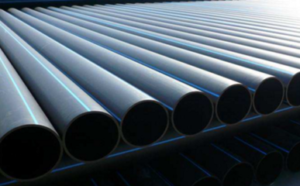
PE pipe is manufactured with polyethylene resin. It features lightweight structure and outstanding flexibility. The pipe can bend moderately under external force. It avoids cracking during buried laying.
Chemical stability stands out as its major merit. It rarely reacts with underground water and soil compositions. Corrosion damage hardly occurs in long-term outdoor use.
Inner wall surface stays smooth. Water flow resistance keeps at a low level. It reduces energy consumption during fluid transportation. Common PE pipes fit shallow drainage and temporary water delivery tasks.
2.2 HDPE Pipe Core Strength
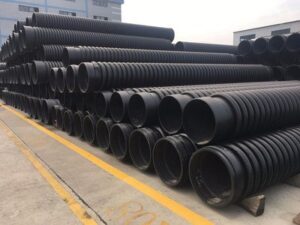
HDPE means high-density polyethylene pipe. Higher molecular density boosts overall mechanical performance. It bears heavy soil pressure after deep burial.
Anti-abrasion capacity gets prominent upgrade. Friction and collision on construction sites cause slight damage only. HDPE pipe adapts harsh field construction conditions perfectly.
Good seismic performance suits road reconstruction and cross-region pipeline layout. Many large municipal water supply systems adopt HDPE pipes for stable daily operation.
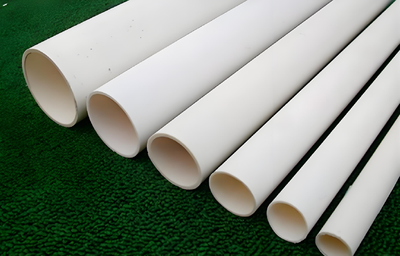
2.3 PVC Pipe Structural Features
PVC pipe takes polyvinyl chloride as raw material. It belongs to rigid plastic pipe with fixed shape. Standardized production controls dimensional error strictly. Matching pipe fittings assemble easily and tightly.
Insulation property makes it ideal for cable protection. It effectively prevents electric leakage and circuit safety hazards. Low production cost helps PVC gain wide market popularity.
The rigid body brings stable bearing capacity. Yet it shows poor toughness under low temperature. Brittle fracture may happen in cold climate areas.
2.4 PPR Pipe Practical Attributes
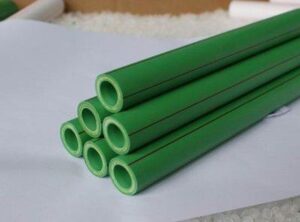
PPR random copolymer pipe targets cold and hot water transmission. Heat resistance capability satisfies domestic hot water conveying demands. Normal working temperature stays safe and stable.
Raw material reaches food safety grade. No toxic substance dissolves into drinking water. It meets strict health standards for household potable water pipelines.
Compact connection structure reduces water leakage probability. It becomes the mainstream choice for indoor home water piping systems.
3. Application Scenario Classification
3.1 Household Interior Usage
PPR pipe dominates indoor water supply projects. It handles cold water and hot water circulation steadily. Home bathroom, kitchen and floor heating all adopt PPR pipelines.
PVC pipe is widely used for indoor sewage discharge. It drains domestic waste water efficiently. Simple installation cuts home decoration construction period.
Common PE pipe seldom applies to indoor water supply. Its pressure resistance cannot meet long-term household daily use requirements.
3.2 Municipal Public Engineering
HDPE pipe becomes the first pick for municipal water supply network. Long-distance buried laying maintains stable water delivery. It fits urban pipe network renewal projects well.
PVC pipe serves as rainwater drainage and cable casing. City road drainage systems rely heavily on durable PVC pipelines.
PE pipe applies to small-scale rural water diversion and temporary engineering water supply. It offers convenient short-distance fluid transmission support.
3.3 Industrial Special Transmission
Chemical factory wastewater delivery chooses corrosion-resistant PE and HDPE pipes. They resist erosion of various chemical liquids effectively.
Power industry uses rigid PVC pipe for wire protection. It safeguards electric lines from external impact and moisture erosion.
High-temperature industrial water circulation prefers qualified PPR pipes. Stable heat bearing ensures continuous industrial production operation.
3.4 Outdoor Buried Construction
Deep buried pipelines give priority to high-strength HDPE pipes. Strong pressure resistance adapts complex underground geological conditions.
Shallow buried drainage projects adopt cost-effective PVC pipes. It balances practical performance and project investment budget.
Flexible PE pipe suits terrain fluctuated outdoor laying. Bending performance adapts uneven ground construction environment.
4. Installation Technology & Construction Difficulty
4.1 PE Pipe Installation Method
Hot melt connection is the main installation way for PE pipe. Workers heat pipe ends and splice parts for tight combination.
Operation steps are simple and easy to learn. Ordinary construction staff can master basic skills quickly.
Connection tightness relies on heating temperature control. Improper temperature will cause hidden leakage troubles later.
4.2 HDPE Pipe Construction Process
HDPE pipe adopts professional hot melt butt welding technique. The connection strength equals pipe body own bearing capacity.
Long distance pipeline splicing needs precise position calibration. Construction efficiency stays steady in large engineering sites.
Anti-shock connection structure adapts ground slight settlement. It lowers post-maintenance frequency greatly.
4.3 PVC Pipe Assembly Mode
PVC pipe uses special adhesive bonding connection. Coating glue evenly guarantees sealed joint performance.
Cutting and assembling work consumes short time. It greatly accelerates overall project construction progress.
Bonded joints lack flexible deformation ability. Ground vibration easily triggers joint cracking and water seepage.
4.4 PPR Pipe Connection Operation
PPR pipe applies hot melt socket connection. The joint integrates closely with pipe body after cooling shaping.
Indoor narrow space construction fits this connection mode. Workers finish piping layout flexibly in home rooms.
Strict heating time control is required. Excessive or insufficient heating damages pipeline connection quality directly.
5. Service Life, Cost & Maintenance Cost
5.1 Service Lifespan Comparison
HDPE pipe owns the longest service life. Qualified products keep stable performance over fifty years under standard use.
PPR pipe maintains forty to fifty years of normal service time. It satisfies long-term household and regular engineering demands.
PVC pipe works steadily for thirty to forty years. Aging speed accelerates under long-term sunlight exposure.
Common PE pipe lifespan ranges twenty to thirty years. It fits short and medium term engineering application scenes.
5.2 Raw Material & Procurement Cost
PVC pipe holds the lowest material cost. It reduces initial investment for large batch pipeline procurement.
PE pipe price stays at medium low level. It achieves good cost performance in temporary engineering projects.
PPR pipe cost locates medium range. Safe material and stable performance match household consumption budget.
HDPE pipe has relatively higher purchasing price. Superior comprehensive performance supports long-term engineering value.
5.3 Daily Maintenance Expense
HDPE and PPR pipes need minimal daily maintenance. Stable structure rarely produces failure problems. Regular inspection is enough for daily management.
PE pipe slight aging needs periodic check. Minor partial replacement solves small pipeline abnormal issues.
PVC bonded joints become weak points. Regular leakage detection reduces hidden engineering risks effectively.
Overall maintenance cost rises with pipe aging degree. Early reasonable selection cuts later repair expenditure largely.
6. Environmental Protection & Safety Performance
6.1 Environmental Friendly Degree
HDPE and PE materials support recycling processing. Waste pipes can be reprocessed into new plastic products. It lowers construction waste pollution.
Qualified PPR pipe produces no harmful volatile substance. It causes no damage to indoor living ecological environment.
Traditional PVC material has certain environmental limitations. Waste disposal needs standardized professional processing procedures.
All four pipes avoid heavy metal dissolution. They keep soil and water resources from heavy metal contamination risks.
6.2 Use Safety Performance
PPR food-grade material ensures drinking water safety. No harmful composition mixes into domestic drinking water.
HDPE anti-pressure structure prevents sudden pipe burst accidents. It guarantees continuous stable water supply operation.
PVC insulation property protects electric use safety. It avoids electric shock accidents in cable protection engineering.
Flexible PE pipe reduces fracture hidden danger. It improves safety level of outdoor fluid transmission process.
7. Defect Analysis & Application Avoidance Tips
7.1 PE Pipe Disadvantages
Low pressure resistance cannot bear high water pressure. It is not suitable for high-rise building water supply pipeline.
Weak high temperature tolerance limits hot water delivery use. Long-time high temperature accelerates material aging speed.
7.2 HDPE Pipe Shortcomings
Higher procurement cost increases early project capital investment. Small budget projects have limited adoption scale.
Large pipe size takes more storage and transportation space. It raises logistics cost in cross-regional engineering delivery.
7.3 PVC Pipe Usage Defects
Poor low temperature resistance leads easy brittle crack. It is not recommended for cold northern outdoor buried laying.
Bonded joints have weak anti-seismic ability. Vibration environment easily destroys pipeline sealing performance.
7.4 PPR Pipe Existing Limits
Outdoor sunlight exposure speeds up aging. PPR pipes need shielding protection for external wall laying construction.
Large caliber PPR pipe manufacturing cost is high. It lacks advantages in super large flow municipal pipeline projects.
8. Reasonable Selection Suggestion for Different Projects
Residential interior water supply prefers PPR pipe. Safe material and tight connection fit family daily water use needs.
Urban municipal water supply and long-distance buried projects choose HDPE pipe. Durable performance ensures decades stable operation.
Indoor drainage and cable protection adopt economical PVC pipe. It balances practical function and project capital control.
Short-term water diversion, rural shallow drainage select common PE pipe. Flexible laying adapts simple terrain construction conditions.
9. Conclusion
PE, HDPE, PVC and PPR pipes all occupy irreplaceable market positions. Each pipe gains competitive advantages in targeted application fields.
HDPE excels at municipal buried engineering durability. PPR takes charge of safe household hot and cold water supply. PVC shows cost edge in drainage and cable protection. PE fits flexible short-distance fluid transmission scenes.
Construction personnel shall master material performance differences. Match proper pipe type according to actual project demands. Standard installation and daily maintenance extend pipeline service cycle.
Reasonable pipe selection promotes smooth progress of global housing construction and municipal infrastructure development. It creates stable and reliable fluid transmission guarantee for various engineering projects.
Partner Links: