![High-quality HDPE, PPR, PE, and PVC pipes supplied to projects worldwide – [Ten Dharma Realms Pipeline Company] | Exported to Europe, America, the Middle East, Southeast Asia, and Central Asia,Factory direct wholesale](https://sfjindustry.com/wp-content/uploads/2026/03/cropped-更换logo背景为透明-1.png)
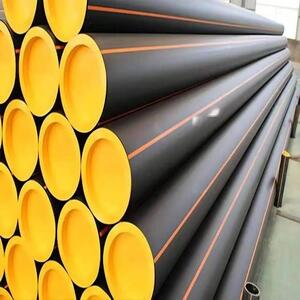
Cross-border pipeline projects in Central Asia are booming. But they come with unique challenges. These challenges can derail timelines, inflate costs, and even risk project failure. For contractors, engineers, and procurement managers, understanding these risks is critical. This guide breaks down the most common challenges. It also shares practical solutions to keep your project on track. Whether you are working on an energy, municipal, or industrial pipeline, these tips will help you avoid costly mistakes.
H2: 1. Logistics & Cross-Border Shipping Delays
Cross-border pipeline projects rely on timely delivery of materials. But Central Asia’s vast landmass and complex border crossings create major shipping challenges. Delays can stall construction and lead to penalties.
H3: 1.1 Long Transit Times & Border Congestion
Many pipeline materials travel thousands of kilometers by road or rail. Border checkpoints between Central Asian countries often face congestion. This congestion can add weeks to delivery schedules. Furthermore, customs documentation errors can hold shipments for days or even weeks. As a result, construction teams may be left waiting for critical parts. This leads to costly downtime.
H3: 1.2 High & Unpredictable Shipping Costs
Fuel prices, border fees, and regional tariffs are volatile. These factors make it hard to budget accurately. What’s more, oversized HDPE large diameter pipes require specialized transport. This adds extra costs for permits and escort vehicles. Many projects go over budget because they fail to account for these hidden fees.
H3: 1.3 How to Avoid Logistics Headaches
First, work with experienced freight forwarders who specialize in Central Asia. They know the routes, regulations, and common pitfalls. Next, plan shipments well in advance. This leaves buffer time for unexpected delays. Additionally, opt for consolidated shipments where possible. This reduces the number of border crossings and fees. Most importantly, partner with suppliers who offer DDP (Delivered Duty Paid) terms. This shifts the risk of customs delays and fees to the supplier. For example, we offer full logistics support for HDPE, PPR, and PVC pipes to Central Asia. We handle all documentation and customs clearance. This ensures your materials arrive on time and on budget.
H2: 2. Compliance with Local Standards & Certifications
Every Central Asian country has its own pipeline standards and certifications. These standards are not always aligned with international norms. Failing to meet them can result in rejected shipments or halted construction.
H3: 2.1 Mismatched Technical Specifications
For instance, a pipeline approved in Kazakhstan may not meet Uzbekistan’s pressure rating requirements. Similarly, materials certified by EU standards may not be recognized by local authorities. This creates confusion for procurement teams. They need to ensure every product meets the exact requirements of the project’s location.
H3: 2.2 Lack of Clarity on Required Documentation
The list of required documents can be overwhelming. It often includes product test reports, factory certificates, and conformity declarations. Moreover, some countries require documents to be translated into the local language and notarized. If any document is missing or incorrect, the entire shipment can be held at the border.
H3: 2.3 How to Stay Compliant
First, identify the exact standards for your project’s country early. Do not assume international standards will be accepted. Next, work with suppliers who have experience exporting to Central Asia. They will know which certifications are needed. For example, ourmunicipal water supply pipes come with full test reports and compliance documentation. These documents are tailored to meet the requirements of Kazakhstan, Uzbekistan, and other regional markets. As a result, you avoid costly delays at customs.
H2: 3. Harsh Environmental Conditions Impacting Performance
Central Asia’s climate is extreme. It ranges from scorching summer heat to freezing winter cold. These conditions put immense stress on pipeline materials. Poor material choices can lead to leaks, cracks, or premature failure.
H3: 3.1 Wide Temperature Fluctuations
In some regions, temperatures can swing from -40°C in winter to +50°C in summer. These rapid changes cause materials to expand and contract. This can weaken joints and cause leaks. Traditional materials like PVC may become brittle in extreme cold. They are not suitable for many outdoor applications.
H3: 3.2 Corrosive Soil & Water
Furthermore, many areas have high levels of salinity or chemicals in the soil and water. These substances can corrode metal pipes quickly. Even some plastic pipes may degrade if they are not formulated for harsh conditions. This means the pipeline may need replacement much sooner than planned.
H3: 3.3 How to Choose Long-Lasting Pipe Materials
Therefore, selecting the right pipe material is critical. HDPE pipes are an excellent choice for Central Asia. They are highly resistant to temperature changes and corrosion. They also have high impact strength, even in freezing conditions. In addition, they are flexible and can withstand ground movement. This reduces the risk of cracks. For industrial applications, our anti-corrosion industrial pipeline are formulated to resist harsh chemicals. They are designed to perform reliably for decades.
H2: 4. Installation Challenges & Labor Shortages
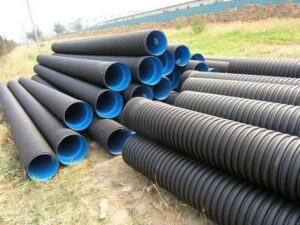
Even with the best materials, poor installation can lead to problems. Many cross-border projects face a shortage of skilled labor. This makes it hard to ensure work is done correctly.
H3: 4.1 Lack of Skilled Installation Teams
For example, workers may not be familiar with modern pipe joining techniques. This includes heat fusion for HDPE pipes. Incorrect installation can lead to weak joints that fail under pressure. What’s more, finding certified welders or installers in remote areas can be difficult. This slows down construction.
H3: 4.2 Difficult Terrain Access
Central Asia’s rugged terrain adds another layer of complexity. Some pipeline routes pass through mountains, deserts, or remote rural areas. It can be hard to transport heavy equipment and workers to these sites. This increases the risk of installation errors and safety issues.
H3: 4.3 How to Overcome Installation Issues
First, choose pipe materials that are easy to install. HDPE pipes are lightweight and flexible. They require fewer joints than metal pipes. This reduces installation time and labor costs. In addition, they can be joined quickly with heat fusion. This creates strong, leak-proof connections. Furthermore, we provide detailed installation guides and technical support. Our team can advise your workers on best practices. This helps ensure the job is done right the first time.
H2: 5. Budget Overruns & Hidden Costs
Cross-border pipeline projects are notorious for going over budget. Many hidden costs can add up quickly. These costs are often overlooked in the initial planning stages.
H3: 5.1 Unexpected Price Fluctuations
The cost of raw materials like plastic resin is volatile. It can change rapidly due to global market conditions. This can increase the price of pipe materials mid-project. Additionally, currency exchange rate fluctuations can affect payments to foreign suppliers.
H3: 5.2 Unplanned Maintenance & Repairs
If materials are low quality, they may require frequent repairs. This adds unexpected costs. For instance, a pipe that leaks after installation will need emergency work. This includes labor, materials, and downtime. These unplanned expenses can significantly impact the project’s profitability.
H3: 5.3 How to Control Your Project Budget
To avoid surprises, lock in prices with your supplier early. Choose a supplier who offers stable pricing and long-term contracts. In addition, invest in high-quality materials upfront. HDPE pipes have a longer lifespan and require minimal maintenance. This reduces the total cost of ownership over time. As a result, you avoid costly repairs and replacements. Our transparent pricing and bulk order discounts help you stay within budget. We provide clear quotes with no hidden fees.
H2: 6. Communication & Coordination Barriers
Working with teams across different countries and time zones creates communication challenges. Misunderstandings can lead to costly mistakes.
H3: 6.1 Language & Time Zone Differences
For example, your procurement team may be in Europe, the supplier in China, and the construction team in Kazakhstan. Coordinating between these locations can be difficult. Delays in communication can slow down decision-making. This can impact the project timeline.
H3: 6.2 Lack of Centralized Project Tracking
Without a clear system for tracking progress, it’s easy for tasks to fall through the cracks. Different teams may have different versions of the project plan. This can lead to confusion and delays.
H3: 6.3 How to Improve Cross-Border Coordination
First, work with a single point of contact at your supplier. This simplifies communication. Our dedicated account managers speak fluent English. They are available to answer your questions and provide updates. They act as a bridge between your team and our factory. In addition, we provide regular progress reports. These reports help you stay informed about production and shipping. This keeps everyone on the same page.
H2: Conclusion
Cross-border pipeline projects in Central Asia offer huge opportunities. But they also come with significant challenges. Logistics delays, compliance issues, harsh environments, and budget overruns are common. However, these challenges are not insurmountable.
By planning ahead and choosing the right partners, you can avoid these pitfalls. First, work with suppliers who understand the Central Asian market. They can provide the right materials, certifications, and logistics support. Second, choose high-quality, durable pipes like HDPE. They will perform reliably in the region’s harsh conditions. Finally, communicate clearly and stay organized. This will keep your project on track.
If you are planning a cross-border pipeline project in Central Asia, we can help. We specialize in HDPE, PPR, and PVC pipes for energy, municipal, and industrial applications. Our team understands the region’s standards and challenges. We offer complete solutions from production to delivery. This includes technical support to help you every step of the way. To learn more about how we can support your project, contact us today.
For authoritative global pipeline industry data, refer to International Energy Agency Pipeline Infrastructure Reports