![High-quality HDPE, PPR, PE, and PVC pipes supplied to projects worldwide – [Ten Dharma Realms Pipeline Company] | Exported to Europe, America, the Middle East, Southeast Asia, and Central Asia,Factory direct wholesale](https://sfjindustry.com/wp-content/uploads/2026/03/cropped-更换logo背景为透明-1.png)
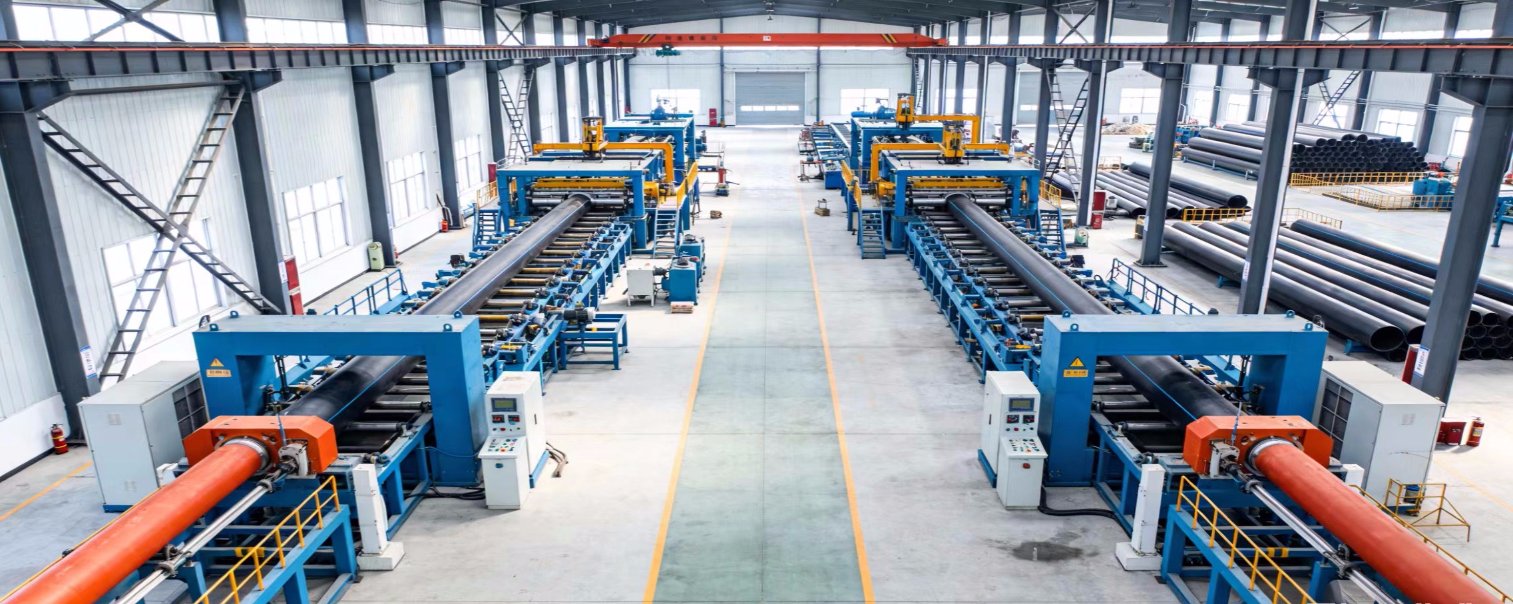
Introduction to HDPE Pipe Systems
High-Density Polyethylene (HDPE) pipe systems have become one of the most popular choices for modern infrastructure projects.
They are reliable, cost-effective, and highly durable. Thanks to their excellent flexibility and strong resistance to corrosion, HDPE pipes are now widely used in many areas
including:
Water supply
Drainage systems
Gas distribution
Industrial applications
If you need strong and long-lasting piping solutions, HDPE is often the best option.
If you are looking for high-performance piping solutions, you can explore our full range here:

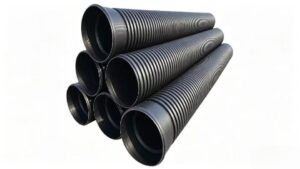
What is HDPE Pipe?
HDPE stands for High-Density Polyethylene. It is a strong and durable plastic material widely used for making pipes.
Compared to traditional materials like steel or concrete, HDPE pipes perform much better in both underground and above-ground projects. They are tougher, lighter, and more reliable.
Here are the key characteristics of HDPE pipes:
High Impact Resistance
HDPE pipes are very tough. They can withstand strong impacts without cracking or breaking.
Long Service Life
HDPE pipes can last 50 years or more with proper installation. This makes them a cost-effective choice for long-term projects.
Lightweight and Easy Installation
HDPE pipes are much lighter than steel or concrete pipes. This makes transportation and installation faster and easier, saving both time and labor costs.
Excellent Chemical Resistance
HDPE pipes resist corrosion and chemicals very well. They are suitable for transporting water, wastewater, and even many industrial chemicals.
So according to industry standards such as ISO 4427 and ASTM D3035, HDPE pipes are widely accepted in global engineering projects.
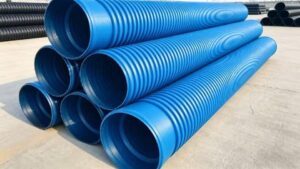
Main Applications of HDPE Pipes
HDPE piping systems are used across multiple industries:
1. Water Supply Systems
HDPE pipes are widely used in municipal and rural water supply projects due to their non-toxic properties and leak-free joints.
2. Drainage and Sewage Systems
Corrugated HDPE pipes are ideal for underground drainage due to their high ring stiffness and resistance to soil pressure.
3. Gas Distribution
HDPE pipes are commonly used in natural gas distribution networks because of their safety and flexibility.
4. Agricultural Irrigation
Their lightweight and flexibility make HDPE pipes perfect for irrigation systems, especially in uneven terrain.
Advantages of HDPE Pipes Over Traditional Materials
Advantages of HDPE Pipes Over Steel, PVC, and Concrete
Compared to traditional materials like steel, PVC, and concrete, HDPE pipes offer many clear advantages. Here are the main ones:
Excellent Corrosion Resistance
HDPE pipes do not rust or corrode. This makes them perfect for harsh environments, such as coastal areas, chemical plants, or areas with acidic soil.
Leak-Free Joints
HDPE pipes are joined using heat fusion welding. This creates a strong, seamless connection that greatly reduces the risk of leaks and water loss.
High Flexibility
HDPE is flexible and can bend without breaking. It performs very well in earthquake-prone areas or places with unstable soil.
Better Cost Efficiency
HDPE pipes are lighter and easier to install. They also require less maintenance over time, which helps save money on both installation and long-term operation.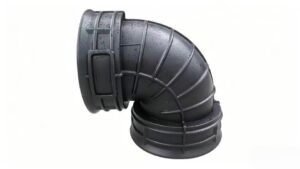
HDPE pipes support multiple installation methods:
1. Butt Fusion Welding
The most common method for joining HDPE pipes, ensuring a strong and leak-proof connection.
2. Electrofusion
Used for smaller diameter pipes and repair applications.
3. Trenchless Installation
Including Horizontal Directional Drilling (HDD), which minimizes environmental impact.
Global Standards and Certifications
After the installation process, it is important to choose HDPE pipes that meet international quality standards.
These standards ensure the pipes are safe, durable, and reliable for long-term use. Here are the main ones:
ISO 4427: This standard covers HDPE pipes for water supply systems. It guarantees good performance in drinking water and pressure applications.
ASTM D3035: This American standard focuses on pressure-rated HDPE pipes. It is widely used for water and industrial projects.
EN 12201: This European standard ensures HDPE pipes are suitable for water supply and pressurized drainage systems.
By using certified HDPE pipes that follow these standards, your project becomes more reliable. It also helps your products gain easier acceptance in global markets.