![High-quality HDPE, PPR, PE, and PVC pipes supplied to projects worldwide – [Ten Dharma Realms Pipeline Company] | Exported to Europe, America, the Middle East, Southeast Asia, and Central Asia,Factory direct wholesale](https://sfjindustry.com/wp-content/uploads/2026/03/cropped-更换logo背景为透明-1.png)
1. Introduction
They replace metal and concrete pipes in many modern projects.
This shift stems from their unique benefits and green construction trends.
The global PE pipe market reached $314.5B in 2025.
It will grow at 3.9% CAGR to $404.5B by 2032.
This article analyzes the future of PE pipes from multiple angles.
It covers advantages, drivers, applications, tech, challenges, and strategies.
1.1 Core Grades and Key Benefits
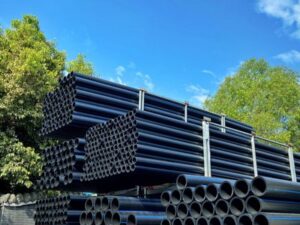
HDPE pipes dominate infrastructure due to higher strength.
They offer five key advantages over traditional materials.
They also stand up to chemical and soil-based erosion.
Second, they are lightweight and easy to install.
They weigh just 1/8 of steel, so no heavy tools are needed.
This cuts labor costs and project timelines significantly.
Third, they have a long service life. They last over 50 years.
Metal pipes typically only last 20-30 years under similar conditions.
Fourth, they are flexible and earthquake-resistant.
They bend without breaking, adapting to ground shifts.
This reduces leak risks and improves system reliability.
Finally, they are fully recyclable. They align with carbon-neutral goals.
They support global efforts to build more sustainable infrastructure.
1.2 Current Global Market Overview
Demand comes from urbanization, renewal, and environmental rules.
In China, the HDPE pipe market exceeded $11B in 2025.
It grows at a 9.3% CAGR with strong domestic demand.
In Europe and North America, renewal projects drive growth.
Aging water and gas systems need large-scale replacement.
Emerging markets also show strong demand for PE pipes.
Southeast Asia, Africa, and the Middle East lead this trend.
Rapid urbanization fuels infrastructure development there.
2. Key Market Drivers for PE Pipes
2.1 Urbanization and Infrastructure Renewal
The UN reports 68% of people will live in cities by 2050.
This creates huge demand for water, gas, and drainage systems.
Many cities face aging infrastructure problems.
Outdated pipes cause leaks, bursts, and safety risks.
China has over 120,000 km of water pipes needing renovation.
The U.S. plans $55B in water system upgrades through 2030.
PE pipes are the preferred choice for these renewal projects.
They offer low cost, easy installation, and long-term reliability.
2.2 Environmental Policies and Carbon Neutrality
PE pipes have a smaller carbon footprint than metal alternatives.
Their production emits 30-50% less carbon than steel pipes.
EU regulations like REACH favor low-carbon, recyclable materials.
China’s “Double Carbon” goals also drive PE pipe adoption.
Many projects now choose PE pipes to meet sustainability standards.
This trend will accelerate as countries tighten environmental rules.
2.3 Full Life Cycle Cost-Effectiveness
However, they offer better value over their full life cycle.
They require minimal maintenance, reducing long-term costs.
A 50-year PE pipe project saves 40-50% vs. steel pipes.
Trenchless installation also cuts road repair and traffic costs.
These savings make PE pipes ideal for urban renewal projects.
2.4 The “Replace Metal with Plastic” Trend
Metal pipes face corrosion, high maintenance, and heavy weight.
PE pipes solve these problems effectively for many applications.
They work well in water supply, gas, agriculture, and industry.
In shipbuilding, they replace metal in ballast water systems.
Their light weight and corrosion resistance make them perfect for marine use.
This trend will continue as industries seek more durable solutions.
3. Expanding Application Scenarios for PE Pipes
3.1 Municipal Water Supply and Drainage
Over 65% of new water projects now use HDPE pipes.
They ensure safe water delivery without releasing harmful chemicals.
Their smooth inner walls resist scale buildup and improve flow.
Drainage systems also benefit from PE pipe technology.
They handle large volumes efficiently, reducing flood risks.
Sponge city projects further boost demand for large-diameter PE pipes.
These systems help manage rainwater and prevent urban flooding.
3.2 Natural Gas and Hydrogen Transmission
They hold over 95% of the market share in China’s gas projects.
Their excellent airtightness prevents leaks and ensures safety.
PE100-grade pipes can handle higher pressure for long-distance use.
They are also gaining traction in hydrogen energy projects.
They resist hydrogen embrittlement better than metal pipes.
This makes them a promising option for future clean energy networks.
3.3 Agricultural Irrigation and Water Conservancy
They work well in drip, sprinkler, and large-scale conveyance systems.
They resist fertilizers and pesticides, making them durable for farms.
Global water shortages drive demand for efficient irrigation.
PE pipes help reduce waste and improve water use efficiency.
They also serve reservoirs, canals, and water transfer projects.
As food security becomes a priority, this demand will grow.
3.4 Industrial Fluid Transport
These include acids, alkalis, and salts used in manufacturing.
They are common in chemical, pharmaceutical, and mining operations.
In mining, they transport ore slurry without wearing out quickly.
This reduces maintenance costs and improves operational efficiency.
New energy projects also use PE pipes for various fluid transport needs.
They are used in battery production and photovoltaic systems.
3.5 Emerging Application Fields
Marine engineering uses them in submarine pipelines and aquaculture.
They resist seawater corrosion and handle dynamic conditions well.
Underground pipe galleries also use PE pipes for integrated systems.
These systems combine water, gas, and communication lines.
Hydrogen energy is another promising area for PE pipe growth.
These emerging markets will drive future industry expansion.
4. Technological Innovation Trends
4.1 High-Performance Material Upgrading
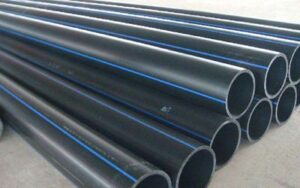
PE100-RC pipes resist both slow and rapid crack growth.
They perform well under high pressure and complex geological conditions.
Bio-based PE materials are also in development.
They use biomass feedstocks instead of fossil fuels.
This reduces the carbon footprint by 75-85% compared to traditional PE.
These upgrades will expand PE pipe use in more demanding projects.
4.2 Intelligent and Digital Manufacturing
Automated lines and digital controls improve efficiency and quality.
Digital twin technology monitors pipe operation in real time.
It uses fiber optics and edge computing to detect leaks early.
Intelligent electrofusion fittings also improve connection quality.
They monitor welding parameters automatically to reduce errors.
These technologies will become standard in modern PE pipe factories.
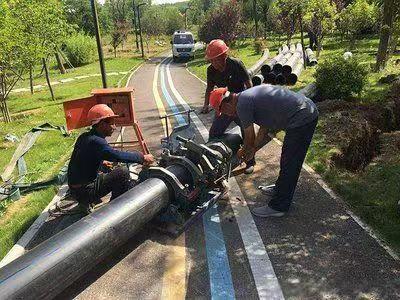
4.3 Non-Excavation Construction Technology
Horizontal directional drilling (HDD) is the most common technique.
It lays pipes under roads, railways, and rivers without digging.
This reduces construction time and minimizes traffic disruption.
It also lowers environmental impact and repair costs.
As cities grow more crowded, this method will become more popular.
4.4 Circular Economy and Recycling Technology
Recycled PE materials are used in new pipe production.
Advanced chemical recycling processes convert waste into raw materials.
The EU aims to raise plastic pipe recycling rates to 65% by 2030.
These efforts reduce waste and lower the industry’s carbon footprint.
They support the transition to a more circular economy model.
5. Industry Challenges
5.1 Raw Material Price Volatility
Fluctuations in oil prices cause instability for manufacturers.
HDPE prices rose 18% year-on-year in 2023, squeezing profits.
This volatility makes long-term planning difficult for producers.
It also affects pricing strategies for customers worldwide.
5.2 Low-End Overcapacity and Quality Issues
China alone has over 3,000 manufacturers, with uneven quality.
Some small firms cut corners to lower production costs.
Substandard pipes cause accidents and damage the industry’s reputation.
This makes it hard for high-quality producers to compete fairly.
5.3 Technical Barriers in High-End Fields
Bio-based PE materials also lack full domestic production capacity.
Only 40% of high-grade materials are currently produced locally.
This limits access to high-end markets for domestic manufacturers.
Breaking these barriers is key to long-term industry growth.
5.4 Intense Market Competition
Price wars among small and medium-sized firms disrupt the market.
Global brands hold strong positions in high-end infrastructure projects.
They benefit from established technology and brand recognition.
Domestic producers need to improve competitiveness to expand globally.
6. Future Development Strategies
6.1 Strengthen Technological Innovation
Key areas include materials, manufacturing, and recycling technology.
Partnerships with universities can speed up new product development.
This will help domestic firms compete in high-end markets.
It will also drive the creation of new, advanced PE pipe solutions.
6.2 Promote Industrial Upgrading and Consolidation
Mergers and acquisitions can help increase market concentration.
Leading firms should offer integrated solutions, not just pipes.
This includes fittings, installation services, and maintenance plans.
Such strategies will improve overall industry quality and reputation.
6.3 Standardize Market Order
They should update standards and certification systems regularly.
Penalties for substandard products should be strictly enforced.
This will protect both consumers and legitimate manufacturers.
It will also help rebuild trust in the PE pipe industry.
6.4 Expand Global Market Presence
They can participate in Belt and Road infrastructure projects.
Adapting to local standards and customer needs is crucial.
Building overseas production bases will help reduce logistics costs.
This will support long-term growth in global markets.
6.5 Develop Green and Circular Economy Practices
They should also continue developing bio-based PE pipe options.
Building a full life-cycle recycling system will reduce waste.
These practices will help meet sustainability goals worldwide.
They will also improve the industry’s environmental performance.
7. Conclusion
Driven by urbanization, environmental rules, and innovation, growth will continue.
PE pipes will replace traditional materials in more infrastructure projects.
Their use will expand to new areas like marine and hydrogen energy.
However, these can be overcome with the right strategies.
Innovation, upgrading, and standardization will lead the way.
It will play a key role in building sustainable infrastructure worldwide.
The future looks promising for PE pipes and the entire industry.