![High-quality HDPE, PPR, PE, and PVC pipes supplied to projects worldwide – [Ten Dharma Realms Pipeline Company] | Exported to Europe, America, the Middle East, Southeast Asia, and Central Asia,Factory direct wholesale](https://sfjindustry.com/wp-content/uploads/2026/03/cropped-更换logo背景为透明-1.png)
Introduction
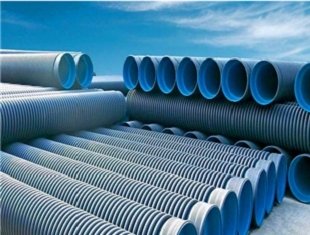
HDPE pipes are widely used in global infrastructure construction.
They cover water supply, drainage, gas transportation and mining engineering projects.
High‑quality HDPE pipes ensure long‑term project stability and safety.
Low‑quality ones cause leakage, burst risks and high maintenance costs.
Many overseas project contractors face difficulties in pipe selection.
They lack clear standards to judge HDPE pipe quality quickly.
This article shares practical and professional selection methods for HDPE pipes.
It fits real overseas engineering site requirements perfectly.
Core keywords including HDPE pipes, high‑density polyethylene pipes, HDPE water supply pipes, HDPE drainage pipes will be naturally embedded throughout the content.
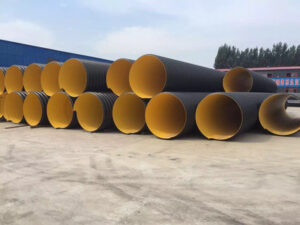
It helps overseas buyers and engineers pick reliable HDPE pipe suppliers efficiently.
1. Understand Basic HDPE Pipe Material Standards
1.1 Confirm HDPE Raw Material Grade
Raw material determines the core performance of HDPE pipes directly.
High‑quality HDPE pipes adopt pure virgin HDPE resin materials.
Common standard grades are PE100 and PE80 according to international norms.
PE100 grade offers higher pressure resistance and anti‑aging ability.
It suits high‑pressure water supply and long‑distance gas transportation projects.
PE80 grade fits general drainage and low‑pressure water delivery scenarios.
Low‑quality HDPE pipes mix recycled plastic materials.
These materials contain impurities and unstable molecular structures.
They easily crack under long‑term pressure or temperature changes.
Engineers should ask suppliers to provide raw material test reports first.
Reports need to show resin brand, grade and purity data clearly.
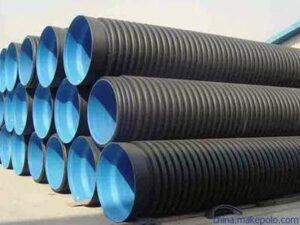
Overseas infrastructure projects follow strict regional material standards.
Common certifications include ISO 4427, EN 12201 and ASTM D3350.
High‑quality HDPE pipe manufacturers strictly follow these norms.
Their products pass third‑party laboratory testing regularly.
Unqualified suppliers ignore international standards for cost reduction.
Their HDPE pipes fail anti‑oxidation and tensile strength tests.
Before bulk purchasing, verify certification authenticity via official platforms.
This step avoids unqualified pipes entering construction sites.
2. Inspect HDPE Pipe Physical Appearance and Surface Quality
2.1 Observe Pipe Surface Smoothness and Color Consistency
Surface condition reflects production process precision of HDPE pipes.
Top‑grade HDPE water supply pipes have smooth and even outer surfaces.
No scratches, bubbles, pits or uneven thickness exist on the surface.
Inner walls are also smooth to reduce water flow resistance.
Uniform black color comes from qualified carbon black anti‑ultraviolet agent.
Color difference or mottling means unstable raw material mixing.
Such pipes easily age quickly under outdoor sunlight exposure.
For outdoor buried HDPE drainage pipes, surface anti‑UV treatment is essential.
2.2 Check Pipe Wall Thickness Uniformity
Wall thickness directly impacts pressure bearing capacity of HDPE pipes.
High‑quality HDPE pipes keep consistent wall thickness along the whole length.
Use calipers to measure multiple sections randomly during on‑site inspection.
Thickness deviation must be within international standard allowable range.
Uneven wall thickness leads to local stress concentration.
It causes pipe burst under water pressure in later operation.
Overseas large‑scale water supply projects have strict thickness tolerance rules.
Contractors must not ignore this basic inspection step.
3. Test Core Physical and Mechanical Performance of HDPE Pipes
3.1 Hydrostatic Pressure Resistance Test
Hydrostatic pressure test is the most critical index for HDPE pipes.
It simulates real‑world water pressure working conditions.
Qualified HDPE pipes withstand specified pressure for long hours without leakage.
PE100 HDPE pipes bear higher long‑term hydrostatic pressure than PE80.
Low‑quality pipes leak or burst under short‑term pressure tests.
For overseas municipal water supply projects, pressure test reports are mandatory.
Engineers should conduct random sampling tests before installation.
3.2 Tensile Strength and Elongation at Break Test
Tensile performance shows pipe anti‑deformation and anti‑crack ability.
High‑quality HDPE pipes have high elongation at break.
They resist ground settlement and slight foundation displacement in buried projects.
Poor‑quality pipes break easily under external pulling force.
This risk is obvious in mining pipeline and cross‑terrain infrastructure projects.
Check third‑party test reports for tensile data comparison.
3.3 Anti‑Aging and Anti‑UV Performance Test
Most HDPE pipes are buried underground or used outdoors for decades.
Outdoor HDPE drainage pipes face long‑term ultraviolet radiation.
High‑quality products add stable carbon black and anti‑aging additives.
They keep performance stable for 50 years or more in buried conditions.
Unqualified pipes lose toughness and become brittle after several years.
They crack under slight external impact.
This causes huge rework costs for overseas long‑term infrastructure projects.
4. Evaluate Production Process and Manufacturing Technology
4.1 Extrusion Molding Process Precision
Advanced extrusion equipment ensures stable HDPE pipe molding.
Top manufacturers use fully automatic continuous extrusion production lines.
Temperature and speed are precisely controlled during production.
This avoids internal bubbles and molecular structure damage.
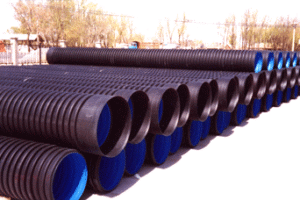
Small factories use outdated manual‑assisted extrusion machines.
Their HDPE pipes have unstable internal structures and hidden defects.
Overseas engineering buyers should visit production workshops if possible.
They can observe production process intuitively.
4.2 Welding Performance of HDPE Pipe Fittings and Pipes
HDPE pipes are mainly connected by hot‑melt welding on construction sites.
High‑quality HDPE pipes match perfectly with standard HDPE pipe fittings.
Welding joints are tight and seamless without gaps.
Low‑quality pipes have uneven material composition.
Welding joints crack or leak under pressure after short‑term use.
This is a common hidden danger in overseas water and gas pipeline projects.
5. Verify Supplier Qualifications and Project Experience
5.1 Check Formal Qualification Certificates of Manufacturers
Reliable HDPE pipe suppliers have complete enterprise qualifications.
They include production licenses, ISO quality system certifications and export qualifications.
International export suppliers need customs registration and overseas sales records.
Unqualified small workshops lack formal certifications.
Their product quality cannot be guaranteed for long‑term projects.
Overseas buyers should filter suppliers with strict qualification audits first.
5.2 Review Past Overseas Infrastructure Project Cases
Practical project experience is the best proof of product quality.
High‑quality HDPE pipe suppliers have rich overseas engineering cases.
These cases cover municipal water supply, highway drainage and mining pipelines.
Buyers can check project feedback and after‑sales service records.
Suppliers with few overseas cases may lack adaptation experience.
They cannot meet local construction standards and climatic requirements.
For example, tropical areas need higher anti‑UV HDPE pipes.
Cold regions require low‑temperature impact‑resistant HDPE pipes.
Experienced suppliers provide targeted customized products.
6. Consider Environmental Adaptability and Application Scenarios
6.1 Adaptation to Different Geological Conditions
Overseas infrastructure covers various geological environments.
Soft soil, mountainous areas and coastal saline land have different requirements.
High‑quality HDPE pipes have strong corrosion resistance.
They resist saline‑alkali soil and underground chemical erosion.
They also bear ground settlement and geological displacement.
Traditional metal pipes corrode quickly in coastal projects.
HDPE drainage pipes become the mainstream choice for coastal municipal engineering.
6.2 Suitability for Different Fluid Transportation
HDPE pipes transport clean water, sewage, gas and mining slurry.
Water supply HDPE pipes need food‑grade raw materials without harmful substances.
Drainage pipes focus on impact resistance and anti‑corrosion performance.
Gas‑transporting HDPE pipes must meet higher pressure and safety standards.
Buyers must select targeted HDPE pipe types according to project fluids.
One‑size‑fits‑all selection leads to safety risks and resource waste.
7. Balance Cost‑Effectiveness Instead of Blindly Pursuing Low Price
7.1 Avoid Ultra‑Low‑Price Unqualified HDPE Pipes
Many overseas purchasers only focus on low procurement costs.
Ultra‑low‑price HDPE pipes mostly use recycled plastic materials.
Their service life is only 1/3 or less of qualified virgin‑material pipes.
Later leakage repair, replacement and project delay costs are huge.
In long‑term overseas infrastructure projects, low‑quality pipes cause overall project losses.
7.2 Calculate Long‑Term Comprehensive Project Costs
High‑quality HDPE pipes have higher initial purchase prices.
But they offer 50‑year service life and low maintenance costs.
They reduce project failure risks and rework expenses greatly.
Engineers should calculate total life‑cycle costs instead of one‑time purchase cost.
This principle is widely applied in European, American and Southeast Asian infrastructure bidding.
Conclusion
Choosing high‑quality HDPE pipes is vital for overseas infrastructure project success.
Buyers and engineers must check raw material grades and international standards first.
Then inspect surface quality, wall thickness and core mechanical performance.
Next evaluate production technology, supplier experience and scenario adaptability.
Finally balance long‑term cost‑effectiveness rationally.
Standardized HDPE water supply pipes and HDPE drainage pipes improve project safety.
They reduce later operation risks for global municipal, mining and transportation engineering.
Following above professional selection steps helps global users obtain stable and reliable HDPE pipe products.
Partner Links:
Why HDPE Pipes Are Reshaping Southeast Asia’s Infrastructure Landscape
Why Pipe Demand Is Booming Across Central Asia