![High-quality HDPE, PPR, PE, and PVC pipes supplied to projects worldwide – [Ten Dharma Realms Pipeline Company] | Exported to Europe, America, the Middle East, Southeast Asia, and Central Asia,Factory direct wholesale](https://sfjindustry.com/wp-content/uploads/2026/03/cropped-更换logo背景为透明-1.png)
Introduction
Every project requires a piping material that delivers consistent performance for decades.
HDPE pipe, stainless steel pipe, and galvanized steel pipe are the three most common choices on the market.
Many buyers focus only on upfront price and ignore long-term performance.
This mistake leads to frequent repairs, early replacement, and unexpected costs.
This comprehensive guide compares these three pipe types in full detail.
We analyze corrosion resistance, service life, maintenance, cost, and real-world performance.
Our goal is to help you choose the best pipe for long-term use with confidence.
By the end, you will understand which material offers the greatest durability, reliability, and value over 30, 50, or even 100 years.
What Qualifies a Pipe for Reliable Long-Term Use?
Not all pipes are designed to meet this standard.
Several core factors define a truly durable long-term pipe.
Corrosion resistance is the most important feature.
Pipes that rust, scale, or degrade will fail quickly.
Service life directly determines how often you need to replace the system.
Low maintenance reduces labor, downtime, and long-term expenses.
Leak-proof connections prevent water waste, structural damage, and safety risks.
Flexibility or structural strength must match the installation environment.
Flow efficiency should remain stable without internal blockage.
Environmental resistance includes tolerance to soil, temperature, and chemicals.
A high-quality long-term pipe balances all these factors.
It delivers peace of mind and lowers total ownership cost over its lifetime.
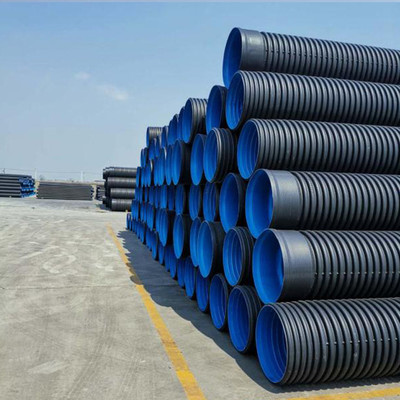
HDPE Pipe: The Industry Leader for Long-Term Durability
It is a thermoplastic piping material engineered for extreme longevity.
HDPE pipe has become the gold standard for buried, water, and industrial long-term systems.
Its physical and chemical properties make it nearly immune to common failure causes.
For projects built to last, HDPE pipe is one of the most trusted options available.
Corrosion Resistance of HDPE Pipe
It does not rust, pit, or corrode in soil or water.
It resists acids, salts, chemicals, and wastewater contaminants.
Unlike metal pipes, HDPE pipe does not react with minerals in water.
It will not develop internal scale or biofilm buildup.
The smooth inner surface stays clean for decades.
This corrosion resistance makes HDPE pipe ideal for buried and underground long-term use.
Even in harsh soil conditions, HDPE pipe remains structurally intact.
It outperforms both stainless steel pipe and galvanized steel pipe in highly corrosive environments.
Service Life and Structural Stability
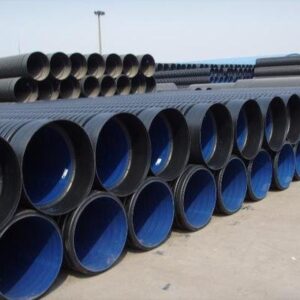
Many municipal HDPE water systems have operated reliably for over 60 years.
The material is flexible yet extremely strong.
It can withstand ground movement, soil settlement, and seismic activity.
HDPE pipe does not crack under stress or impact.
Joints are created using heat fusion.
Fused joints become as strong as the pipe itself.
They will never leak, separate, or corrode over time.
This seamless structure ensures long-term stability for any piping project.
HDPE pipe maintains its shape and performance without degradation.
Low Maintenance and Operational Efficiency
There is no need for painting, coating, or internal cleaning.
It does not clog easily or lose flow capacity.
Repairs are extremely rare in properly installed HDPE systems.
The lightweight design reduces installation time and cost.
HDPE pipe is also highly energy-efficient due to its smooth interior.
It reduces pumping costs and improves overall system performance.
For long-term use, low maintenance directly translates to lower total cost.
HDPE pipe offers unmatched economic value over decades of service.
Ideal Applications for Long-Term HDPE Installations
It is the top choice for municipal water supply and distribution.
HDPE pipe works perfectly for stormwater drainage and sewer systems.
Agricultural irrigation projects rely on HDPE for long-term reliability.
Industrial fluid transfer, mining, and landfill systems also use HDPE pipe.
It performs well in both above-ground and buried installations.
Any project requiring a corrosion-free, low-failure, long-life pipe benefits from HDPE.
It is the most versatile option for general long-term piping needs.
Stainless Steel Pipe: Premium Performance for Critical Long-Term Systems
It contains chromium, nickel, and other elements for superior durability.
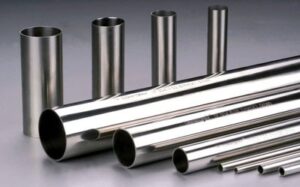
Stainless steel pipe is known for its strength, hygiene, and long-term stability.
It is a premium choice for projects where failure is not an option.
While more expensive upfront, it delivers exceptional value for specialized long-term use.
Corrosion and Rust Resistance
This layer protects the pipe from rust and corrosion.
It performs well in clean water, coastal air, and mild chemical environments.
304 and 316 stainless steel grades offer the best long-term corrosion resistance.
316 stainless steel is especially resistant to chloride and salt exposure.
Stainless steel pipe does not rust or degrade under normal conditions.
It maintains its appearance and structure for 50+ years.
However, it can corrode in highly acidic or aggressive chemical conditions.
In these environments, HDPE pipe is often more reliable for long-term use.
Strength and Pressure Tolerance
It handles high pressure, high temperature, and heavy external loads.
The rigid structure supports long-term use in industrial and commercial systems.
Stainless steel pipe does not bend or deform under stress.
It is ideal for pressurized pipelines that require constant stability.
Its strength makes it suitable for tall buildings, factories, and processing facilities.
For long-term high-pressure applications, stainless steel pipe is a top selection.
Hygiene and Long-Term Safety
It does not leach chemicals into drinking water.
It meets strict health codes for food, beverage, and medical applications.
Stainless steel pipe resists bacterial growth and contamination.
This makes it essential for long-term use in hygienic systems.
It is also fire-resistant and environmentally safe.
Stainless steel is fully recyclable at the end of its service life.
For projects focused on health and safety, stainless steel pipe is unbeatable.
Best Uses for Stainless Steel Pipe in Long-Term Projects
It is widely used in drinking water distribution for premium buildings.
Food processing, pharmaceutical, and medical facilities rely on stainless steel.
It works well in coastal constructions and marine environments.
HVAC, fire protection, and high-pressure industrial systems use stainless steel pipe.
Any project requiring hygiene, strength, and premium long-term performance chooses stainless steel.
It is the best metal pipe for high-standard long-term installations.
Galvanized Steel Pipe: A Short-Term Solution With Poor Long-Term Reliability
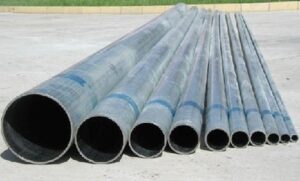
It was once a common choice for residential plumbing.
It has a low upfront cost and is easy to source.
However, galvanized steel pipe is not designed for modern long-term use.
Its limitations become obvious after just 10 to 20 years.
For any project built to last decades, galvanized steel pipe carries major risks.
Limitations of Zinc Coating Over Time
It wears away gradually due to water, oxygen, and soil exposure.
Acidic water and coastal conditions accelerate coating failure.
Once the zinc is gone, the steel base is fully exposed.
Rust and corrosion spread quickly inside and outside the pipe.
Internal rust causes scaling, blockages, and reduced flow.
Galvanized steel pipe cannot maintain integrity for long-term use.
The coating failure is unavoidable over time.
Short Service Life and High Failure Risks
In harsh environments, it may fail in just 10 to 15 years.
Threaded joints are prone to leakage as the pipe rusts.
Internal corrosion narrows the pipe diameter and reduces water pressure.
Old galvanized pipes often cause discolored water and unpleasant odors.
Pipe bursts and sudden failures are common in aging galvanized systems.
These issues create expensive emergencies and unsafe conditions.
Galvanized steel pipe simply cannot compete with HDPE or stainless steel for long-term reliability.
Ongoing Maintenance and Hidden Long-Term Costs
Owners must inspect for rust, leaks, and blockages regularly.
Internal scaling requires professional cleaning every few years.
Eventually, full pipe replacement becomes necessary.
The low upfront cost is misleading.
Long-term maintenance and replacement expenses far exceed the initial savings.
Galvanized steel pipe is a costly choice over time.
It is inefficient, unreliable, and outdated for long-term piping projects.
Head-to-Head Comparison: Key Metrics for Long-Term Performance
This clear breakdown helps you make a data-driven decision.
Corrosion Resistance
Stainless steel pipe: Excellent. Resists rust in most standard environments.
Galvanized steel pipe: Poor. Coating fails, leading to severe corrosion over time.
Service Life
Stainless steel pipe: 50+ years. Stable performance in proper conditions.
Galvanized steel pipe: 10–30 years. Short lifespan with high failure risk.
Maintenance Requirements
Stainless steel pipe: Low. Only basic inspection required.
Galvanized steel pipe: Very high. Frequent repairs and eventual replacement.
Flow Efficiency
Stainless steel pipe: Good. Resists moderate scaling and buildup.
Galvanized steel pipe: Poor. Rust and scale severely reduce flow over time.
Installation Flexibility
Stainless steel pipe: Moderate. Rigid but strong; needs skilled installation.
Galvanized steel pipe: Low. Heavy, rigid, and leak-prone threaded joints.
Long-Term Cost Efficiency
Stainless steel pipe: Good. High upfront cost, low long-term expenses.
Galvanized steel pipe: Poor. Cheap initial cost, extremely high long-term cost.
Best For
Stainless steel pipe: Hygienic systems, high-pressure, premium long-term projects.
Galvanized steel pipe: Temporary, low-budget, short-term non-critical use only.
Which Pipe Is Best for Your Long-Term Piping Project?
For most general long-term projects, HDPE pipe is the clear winner.
It offers the best balance of corrosion resistance, service life, and low cost.
HDPE pipe works in buried, outdoor, and industrial environments.
It requires almost no maintenance and lasts 50 to 100 years.
If you need a reliable, cost-effective pipe for decades of service, choose HDPE.
It excels in food, medical, coastal, and premium building applications.
Stainless steel provides unmatched strength and cleanliness for long-term use.
It is worth the investment for projects where quality is non-negotiable.
It is only suitable for temporary, low-budget, short-term projects.
Using galvanized steel for long-term use guarantees future problems and extra costs.
Modern piping standards no longer recommend galvanized steel for permanent systems.
A durable pipe reduces risk, repair work, and replacement expenses.
The right choice today ensures safety and efficiency for generations.
Conclusion
Long-term use requires a pipe that can resist corrosion, last decades, and minimize maintenance.
HDPE pipe is the most practical and reliable choice for the majority of long-term piping projects.
It delivers exceptional durability, versatility, and economic value over 50+ years.
Stainless steel pipe is the premium option for high-standard, hygienic, and high-pressure long-term systems.
It offers superior strength and safety for specialized applications.
Galvanized steel pipe is an outdated short-term solution with poor long-term reliability.
It cannot meet the demands of modern permanent infrastructure.
Avoid shortcuts that lead to expensive failures later.
HDPE pipe and stainless steel pipe represent the future of reliable long-term piping.
Investing in quality materials ensures your system remains safe, efficient, and trouble-free for many years.
Choosing the right pipe is the most important decision you can make for long-term infrastructure success.