![High-quality HDPE, PPR, PE, and PVC pipes supplied to projects worldwide – [Ten Dharma Realms Pipeline Company] | Exported to Europe, America, the Middle East, Southeast Asia, and Central Asia,Factory direct wholesale](https://sfjindustry.com/wp-content/uploads/2026/03/cropped-更换logo背景为透明-1.png)
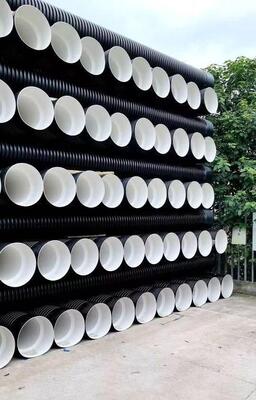
The Booming Central Asia Pipeline Industry: Core Demand Drivers & Full Industry Outlook
Against the backdrop of global energy restructuring, Central Asia stands out in the global pipeline sector. It has become a top growth market for oil and gas, municipal, and industrial pipeline projects. Demand here has outpaced most Eurasian markets for years. This trend is no accident. It stems from resource advantages, geographic value, economic growth, and cross-border cooperation. For pipeline manufacturers and contractors, understanding this market is key to seizing opportunities. This article breaks down the core drivers of Central Asia pipeline demand. It also analyzes future trends to guide industry practitioners.
H2: Core Foundations of Central Asia Pipeline Demand Growth
H3: Rich Energy Reserves Drive Fundamental Pipeline Needs
Central Asia is a world-renowned energy-rich region. Kazakhstan, Turkmenistan, and Uzbekistan hold massive oil and gas reserves. IEA data shows its proven recoverable gas reserves exceed 30 trillion cubic meters. This accounts for 15.3% of the global total. Its proven oil reserves reach about 4.5 billion barrels. To turn these resources into economic gains, pipelines are the best choice. Oil and gas transmission pipelines offer unmatched benefits for energy transport. They have larger capacity, lower loss, higher safety, and lower long-term costs than road or rail. They enable stable, long-distance energy delivery across borders. For this reason, Central Asian countries prioritize pipeline infrastructure. New main pipelines and existing line upgrades create steady, huge procurement demand. This is the core driver of the Central Asia pipeline market’s growth.
H3: Unique Geostrategic Location Boosts Cross-Border Pipeline Demand
Central Asia sits in the Eurasian continent’s hinterland. It links East Asia, West Asia, and Europe seamlessly. It is also a core node of the Belt and Road Initiative. As a geographic hub, it handles cross-border energy trade and infrastructure connectivity. Pipelines are the core carrier for this cross-border flow. Key projects like the Central Asia-China Gas Pipeline rely on high-quality professional pipelines. The China-Kazakhstan Crude Oil Pipeline also drives massive product demand. EAEU pipeline network integration projects add to this need. This geographic advantage expands the market far beyond local demand. It connects the region to global energy trade flows. This makes pipeline demand grow steadily year on year.
Notably, this demand is not short-term or temporary. It is a long-term, rigid market need. Global energy trade shifts keep expanding Central Asia’s energy exports. This requires constant upgrades to cross-border pipeline networks. Local mineral development and industrial energy allocation also need supporting pipelines. This gives the Central Asia pipeline market a stable, long-term demand base. For more layout details, refer to Analysis of Central Asia Cross-Border Energy Pipeline Layout & Standards.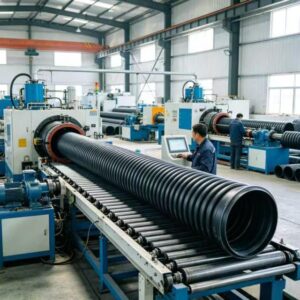
H2: Endogenous Growth Drivers: Economic Development & Urbanization
H3: Urbanization Drives Massive Municipal Pipeline Demand
Central Asian countries are pushing economic diversification strategies. They are moving past over-reliance on raw resource exports. They are accelerating industrialization and urbanization at a rapid pace. This has put local infrastructure into a concentrated construction cycle. Urbanization drives full-scale rollout of livelihood projects. These include municipal water supply, drainage, gas supply, and heating systems. All these projects need high-quality municipal pipelines as core support.
Take Kazakhstan and Uzbekistan as examples. Their core cities see annual urbanization growth of over 1.5%. Old city renovation and new district construction happen at the same time. This drives soaring demand for new and replacement municipal pipelines. Kyrgyzstan and Tajikistan are also increasing livelihood infrastructure investment. They are improving urban and rural pipeline networks for residents. All these efforts further activate the municipal pipeline market.
H3: Industrialization Expands High-End Industrial Pipeline Demand
Industrialization in Central Asia is accelerating rapidly. New industrial parks, mining enterprises, and chemical plants are launching constantly. All these projects need supporting industrial, chemical, and anti-corrosion pipelines. Local mineral processing and oil and gas chemical industries have strict technical requirements. They demand high corrosion resistance, compression performance, and sealing from pipelines. This drives fast growth in high-end industrial pipeline demand.
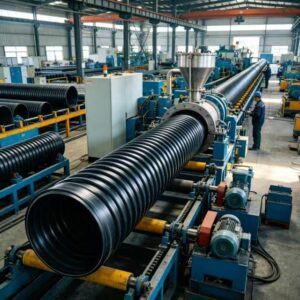
Industrial pipelines have larger procurement scales than civil pipelines. They also have higher technical standards and higher added value. This pushes the Central Asia pipeline industry toward more professional, high-end development. Governments across the region list infrastructure as a top economic priority. They have rolled out supportive policies and increased financial investment. This helps more pipeline network projects move from planning to implementation. It creates a steady stream of pipeline procurement orders. This internally driven demand has strong stability and sustainability. As local economies keep growing, the Central Asia pipeline domestic market will expand further. For more details, refer to Central Asia Municipal & Industrial Pipeline Application Specifications & Demand Guide.
H2: Cross-Border Cooperation & Investment: Key Market Expansion Boosters
H3: Belt and Road Cooperation Drives Large-Scale Pipeline Projects
The Belt and Road Initiative aligns deeply with Central Asian national development strategies. This has launched a series of major cross-border infrastructure projects. Pipeline engineering is a core cooperation area in these projects. Landmark projects have driven full industrial chain development in the region. These include the Central Asia-China Gas Pipeline Lines A/B/C/D. The China-Kazakhstan Crude Oil Pipeline and TAPI Pipeline are also key projects.
These projects drive growth in pipeline production, transportation, construction, and maintenance. They have strict quality and performance standards for pipeline products. This attracts top global pipeline enterprises to enter the Central Asian market. It boosts market vitality and improves the local industrial supporting system. It also helps form a complete industrial ecosystem for the pipeline sector.
H3: Global Capital Injection Accelerates Pipeline Project Implementation
Beyond energy pipelines, cross-border interconnection projects create more demand. Uneven water distribution in Central Asia drives cross-border water allocation projects. These projects need large amounts of supporting water transmission pipelines. EAEU internal energy interconnection also pushes regional pipeline network integration. This further expands the overall pipeline market size.
Global countries and financial institutions are increasing infrastructure investment here. The AIIB and Silk Road Fund list pipeline projects as key support areas. They provide sufficient financial guarantees for pipeline construction. This turns more pipeline projects from plans into real construction. It directly drives explosive growth in pipeline product demand. This cross-border cooperation also improves local market standards and order. Central Asian countries are aligning with international pipeline construction rules. This makes high-quality, professional pipeline products more popular in the market. For more cooperation details, refer to Central Asia Cross-Border Pipeline Project Cooperation Modes & Opportunities.
H2: Supply Gaps & Irreplaceability: Further Amplify Pipeline Demand
H3: Local Production Shortfalls Create Huge Import Demand
Local pipeline industry development has clear shortcomings in Central Asia. The sector started late, with small-scale local manufacturers and backward technology. Most local firms only produce low-end municipal pipeline products. They cannot meet technical requirements for cross-border energy or high-end industrial pipelines.
Local production capacity is also extremely limited. Even full-capacity production cannot cover the region’s huge procurement demand. Large-diameter, high-pressure, special-material pipelines rely almost entirely on imports. This supply-demand imbalance creates a massive gap in the market. It provides broad space for high-quality overseas pipeline manufacturers. It also further pushes up the overall demand heat of the market.
H3: No Viable Alternatives Reinforce Pipeline’s Irreplaceable Status
Pipeline transportation has no viable alternatives in Central Asia. The region’s terrain includes plains, mountains, and large deserts. Road and rail transport face big limits from terrain and climate. They cannot support continuous long-distance transport of energy or fluid materials. Sea transport is completely unavailable, as Central Asia is a landlocked region.
Pipeline transportation adapts perfectly to this complex local environment. It supports 24-hour uninterrupted, stable transport. It handles oil, gas, water, and industrial fluids with high efficiency. Its long-term operating costs are far lower than other transport modes. This irreplaceability makes pipelines the only optimal choice for the region. It consolidates the rigid demand attribute of the Central Asia pipeline market.
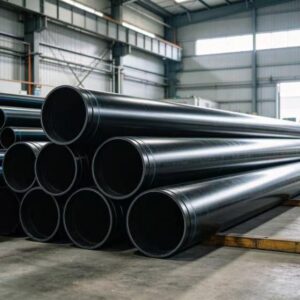
H3: Aging Pipeline Stock Creates Steady Renovation Demand
Most existing pipelines in Central Asia were built in the Soviet era. They have been in service for decades, with serious aging and corrosion issues. Many have low transmission efficiency and major safety risks. They urgently need replacement, renovation, and upgrading.
CAREC data shows over 18,000 kilometers of main pipelines have served over 20 years. This accounts for more than 62% of the region’s total pipeline mileage. The demand for old pipeline renovation is extremely urgent. This stock upgrade creates sustained cyclical market demand. It keeps the Central Asia pipeline market active, with no risk of demand gaps.
H2: Future Market Trends & Development Outlook
H3: Demand Structure Will Diversify Steadily
Over the next 5-10 years, the Central Asia pipeline market will keep high-speed growth. Demand will continue to expand, with broad long-term prospects. It will remain a core market in the global pipeline industry. The demand structure will follow a clear pattern: energy pipelines as the core, with municipal and industrial pipelines growing in tandem.
Cross-border energy pipelines will remain the main demand driver. Projects like the Central Asia-China Gas Pipeline Line D will keep driving procurement. Urbanization and industrialization will boost municipal and industrial pipeline demand. These will become key new growth points for the market. The share of high-end and special pipelines will rise gradually. The market will set higher requirements for product quality, technology, and environmental performance.
H3: Market Size Will Keep Expanding Continuously
Industry forecasts show clear growth for the market through 2025-2030. Average annual new investment will reach 2.5 to 3 billion US dollars. Pipeline product procurement will account for over 60% of this total investment. The overall market size will expand steadily year on year.
Driven by economic growth, cross-border cooperation, and renovation projects, demand will keep rising. It will maintain an average annual growth rate of over 8%. The long-term growth trend is clear and stable. Market competition will become more standardized and internationalized. Enterprises with technical, quality, and service advantages will gain larger market share. Localized cooperation and full-chain solutions will become the industry mainstream. To succeed, firms must offer not just products, but also construction, maintenance, and technical support.
H2: Conclusion
In summary, the booming Central Asia pipeline industry has clear core drivers. It stems from resource advantages, geographic value, economic growth, cross-border cooperation, and supply gaps. As the core growth pole of the global pipeline market, its demand is long-term, rigid, and large-scale. It has huge development potential for global industry practitioners. It is an unmissable strategic opportunity for pipeline enterprises worldwide.
Driven by global energy shifts and infrastructure investment trends, the market will keep growing fast. The Central Asia pipeline industry will enter a more brilliant development stage. Only by following market trends, strengthening professional capabilities, and improving product quality can firms seize opportunities. They can then share the development dividends of this golden market. For more authoritative industry data, refer to the Central Asia Energy Infrastructure Development Report from the IEA