![High-quality HDPE, PPR, PE, and PVC pipes supplied to projects worldwide – [Ten Dharma Realms Pipeline Company] | Exported to Europe, America, the Middle East, Southeast Asia, and Central Asia,Factory direct wholesale](https://sfjindustry.com/wp-content/uploads/2026/03/cropped-更换logo背景为透明-1.png)
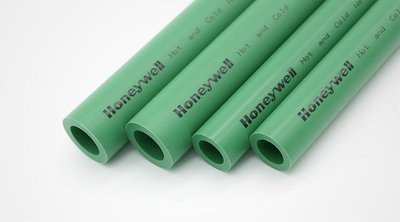
Introduction
Plastic pipes have become essential components in modern construction, municipal engineering, and residential plumbing projects. Among all common plastic pipe types, HDPE pipes and PPR pipes are the two most widely used options worldwide. Both pipe products feature lightweight design, corrosion resistance, and easy installation. However, their material properties, performance limits, and applicable scenarios differ greatly.
Choosing the wrong pipe type will lead to system failures, short service life, and extra maintenance costs. Therefore, understanding the core differences and professional applications of HDPE pipes and PPR pipes is critical for engineers, contractors, and project developers. This article provides a detailed comparison covering material features, temperature resistance, mechanical performance, installation methods, and real engineering applications. It also offers practical selection guidance for global infrastructure and plumbing projects.
1. Basic Material Overview of HDPE Pipes and PPR Pipes
1.1 What Are HDPE Pipes
HDPE stands for High-Density Polyethylene. It is a thermoplastic material produced from petroleum-based resin with high molecular density. HDPE pipes are famous for excellent flexibility, chemical stability, and low-temperature resistance.
Most standard HDPE pipes appear black in color. The black pigment contains anti-UV additives. This special formula enables HDPE pipes to resist sunlight aging and outdoor weather erosion effectively. HDPE pipe production follows strict international standards to ensure consistent wall thickness and structural stability.
HDPE pipe raw materials feature uniform molecular structure. They do not crack easily under external pressure or ground settlement. This characteristic makes HDPE pipes highly reliable for buried engineering environments.
1.2 What Are PPR Pipes
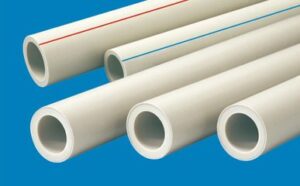
PPR refers to Polypropylene Random Copolymer. It is a modified polypropylene thermoplastic material. PPR pipes are specially optimized for indoor water supply and heating systems.
PPR pipes usually come in white, green, or gray colors. Unlike HDPE pipes, standard PPR pipes have no built-in UV protection. They cannot withstand long-term direct sunlight exposure. Long-time outdoor exposure will cause aging, brittleness, and performance degradation.
PPR material focuses on high-temperature resistance and structural rigidity. It maintains stable physical performance under long-term high-temperature water pressure. This feature makes PPR pipes the mainstream choice for indoor hot and cold water plumbing systems in residential and commercial buildings.
2. Core Performance Differences Between HDPE Pipes and PPR Pipes
2.1 Temperature Resistance Performance
Temperature tolerance is the most obvious difference between HDPE pipes and PPR pipes. It is also the key factor for project selection.
HDPE pipes belong to low-temperature resistant pipe products. Their long-term stable working temperature is below 60°C. They can adapt to extremely cold environments as low as -40°C. HDPE pipes will not become brittle or crack in freezing weather. This advantage supports outdoor buried construction in high-latitude and cold regions.
PPR pipes excel in high-temperature resistance. They work stably under a long-term temperature of 70°C. They can bear short-term peak temperature up to 95°C. This performance fully meets the requirements of domestic hot water supply and building heating systems. However, PPR pipes turn brittle in low temperatures below 5°C. They are prone to cracking during transportation and construction in cold winter.
2.2 Flexibility and Structural Rigidity
HDPE pipes have outstanding flexibility and toughness. The material can bend and deform within a certain range without breaking. HDPE pipes can adapt to slight ground settlement, foundation vibration, and seismic displacement.
Large-diameter HDPE pipes can be coiled for transportation. This design reduces intermediate construction joints. It effectively lowers the risk of water leakage in long-distance pipeline projects.
PPR pipes feature high structural rigidity and dimensional stability. They have low flexibility and cannot be bent at will. PPR pipes maintain straight shapes under constant water pressure. They will not deform or sag in indoor pipeline layout.
The rigid property of PPR pipes ensures neat indoor piping installation. It supports stable long-term operation of wall-mounted and ceiling-mounted water supply systems.
2.3 Pressure Resistance and Mechanical Strength
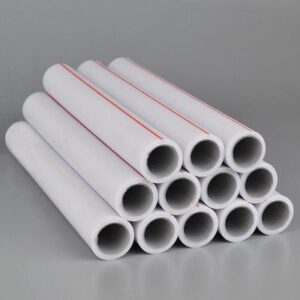
Both HDPE pipes and PPR pipes have qualified pressure resistance for engineering use, but their applicable pressure scenarios vary.
HDPE pipes have excellent impact resistance. They can resist heavy external extrusion and underground rock friction. Their pressure resistance is more suitable for medium and low-pressure fluid transmission. They perform well in buried water delivery, drainage, and irrigation projects.
PPR pipes have higher internal pressure resistance. Standard PPR pipes can work steadily under pressure levels from 1.25MPa to 2.5MPa. They adapt to high-pressure domestic water supply systems in high-rise buildings. The uniform wall structure of PPR pipes avoids local pressure deformation effectively.
2.4 Anti-Aging and Environmental Adaptability
HDPE pipes have superior outdoor environmental adaptability. The built-in anti-UV and anti-oxidation components resist sunlight, rainwater, and soil corrosion. Buried HDPE pipes have a service life of 50 to 100 years. Exposed HDPE pipes also maintain stable performance for decades.
PPR pipes are only suitable for indoor enclosed environments. Direct sunlight will destroy the molecular structure of PPR materials. It leads to surface fading, material brittleness, and reduced pressure resistance. Professional heat preservation and light shielding measures are mandatory if PPR pipes are used in semi-outdoor spaces.
In addition, HDPE pipes resist various chemical substances in soil and sewage. They adapt to complex industrial and municipal environments. PPR pipes have good sanitary performance but weak resistance to strong chemical corrosion.
2.5 Connection and Installation Methods
HDPE pipes mainly adopt butt fusion welding and electrofusion welding. The welding interface fuses into an integrated structure. The joint strength is higher than the pipe body itself. This connection method achieves completely leak-free transmission.
HDPE welding is suitable for large-diameter and long-distance pipeline construction. It supports trenchless installation and underground crossing projects. The overall construction efficiency of municipal large-scale projects is high.
PPR pipes use hot-melt socket connection. The operation process is simple and fast. It does not require large professional welding equipment. This method is very suitable for small-diameter indoor rapid construction.
However, PPR socket connections rely on manual operation accuracy. Unstandardized welding will cause hidden leakage dangers. Meanwhile, PPR pipe fittings have higher matching precision requirements than HDPE pipe fittings.
3. Professional Application Scenarios of HDPE Pipes
HDPE pipes focus on outdoor, buried, large-scale, and low-temperature engineering scenarios. They are the core pipes of modern municipal and infrastructure construction.
3.1 Municipal Water Supply and Drainage Projects
HDPE water supply pipes are widely used in urban main water supply pipelines. Their anti-corrosion and leak-free features ensure stable urban water transmission. They avoid water resource waste caused by pipeline aging and leakage.
HDPE drainage and sewage pipes adapt to urban rainwater discharge and domestic sewage transportation. Their wear resistance and chemical resistance cope with complex sewage components and long-term underground erosion.
3.2 Agricultural Irrigation and Landscape Engineering
Agricultural irrigation systems require long-distance outdoor pipeline layout. HDPE pipes resist cold weather and ground changes. They work stably in farmland environments all year round. Coiled HDPE pipes reduce construction joints and improve irrigation system efficiency.
Landscape water circulation and park water supply projects also prefer HDPE pipes. The anti-UV performance supports long-term exposed outdoor use.
3.3 Industrial and Special Engineering Projects
Industrial cooling water transmission, chemical fluid transportation, and mine slurry delivery all adopt HDPE pipes. The excellent chemical stability prevents pipeline corrosion and fluid leakage.
HDPE pipes are also applied in river crossing, submarine water delivery, and trenchless horizontal directional drilling projects. Their flexibility and high toughness adapt to complex terrain construction.
3.4 Cold Region and Seismic Zone Projects
In high-latitude cold regions and frequent seismic zones, HDPE pipes are the first choice for buried pipelines. They resist freezing cracking and adapt to ground displacement. They greatly reduce pipeline damage risks caused by natural disasters.
4. Professional Application Scenarios of PPR Pipes
PPR pipes are dedicated to indoor sanitary water supply and heating systems. They dominate residential and commercial building plumbing fields.
4.1 Residential Building Cold and Hot Water Supply
Household indoor cold and hot water pipelines are the most common application of PPR pipes. PPR materials are non-toxic, hygienic, and pollution-free. They meet international drinking water safety standards.
The high-temperature resistance of PPR pipes supports long-term hot water transmission for water heaters and solar water systems. The rigid structure ensures neat indoor piping and stable water pressure.
4.2 Commercial Building Plumbing and Heating
Hotels, hospitals, schools, and office buildings all use PPR pipe systems for indoor water supply and central heating. High-rise buildings rely on the high-pressure resistance of PPR pipes to solve vertical high-pressure water delivery problems.
PPR pipes have good thermal insulation performance. They reduce heat loss of hot water pipelines and save building energy consumption.
4.3 Floor Heating and Central Air Conditioning Water Systems
Modern building floor heating systems widely adopt small-diameter PPR pipes. Their stable high-temperature performance adapts to long-term circulating heating work.
PPR pipes are also used in central air conditioning circulating water pipelines. Their stable physical properties ensure long-term safe operation of air conditioning water systems.
4.4 Indoor Renovation and Decoration Projects
PPR pipes feature small diameter range, convenient cutting, and simple connection. They are very suitable for personalized indoor pipeline renovation. They can adapt to complex wall and ceiling hidden piping layouts.
5. Practical Pipe Selection Principles for Engineering Projects
Clear project requirements are the premise of correct pipe selection. Contractors and engineers can follow simple and effective selection rules.
First, check the working temperature of the pipeline system. Choose PPR pipes if the system involves long-term hot water transmission. Choose HDPE pipes if the pipeline only conveys cold water and needs outdoor buried laying.
Second, confirm the installation environment. Select HDPE pipes for outdoor exposure, buried laying, cold regions, and complex terrain. Select PPR pipes for indoor closed, decorative, and sanitary water supply environments.
Third, confirm pipe diameter and project scale. Use HDPE pipes for large-diameter, long-distance municipal and industrial projects. Use PPR pipes for small-diameter indoor building plumbing projects.
Fourth, evaluate project service life and maintenance costs. HDPE pipes have lower maintenance frequency for outdoor infrastructure. PPR pipes have higher cost performance for short-cycle indoor decoration projects.
Conclusion
HDPE pipes and PPR pipes have their unique advantages and fixed applicable fields. HDPE pipes rely on low-temperature resistance, flexibility, anti-aging, and large-scale construction advantages. They are irreplaceable core materials for municipal infrastructure, outdoor engineering, and agricultural water conservancy projects.
PPR pipes take advantage of high-temperature resistance, sanitation, rigidity, and convenient installation. They become the standard pipe for indoor hot and cold water supply and building heating systems.
There is no absolute good or bad between HDPE pipes and PPR pipes. The best choice depends on project environment, working temperature, pressure requirements, and construction conditions. Correct material selection can maximize pipeline system performance, extend service life, and reduce overall project operation and maintenance costs. For all global construction and plumbing projects, standardized pipe selection and installation are key guarantees of project quality.
Partner links: