![High-quality HDPE, PPR, PE, and PVC pipes supplied to projects worldwide – [Ten Dharma Realms Pipeline Company] | Exported to Europe, America, the Middle East, Southeast Asia, and Central Asia,Factory direct wholesale](https://sfjindustry.com/wp-content/uploads/2026/03/cropped-更换logo背景为透明-1.png)
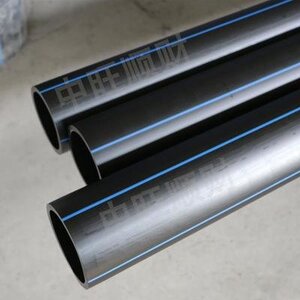
Water supply projects in Southeast Asia face unique challenges. From tropical heat to humid climates, the environment puts immense stress on pipes. Choosing the wrong material can lead to leaks, bursts, and costly replacements. This guide compares HDPE and PVC pipes. It breaks down their pros, cons, and ideal use cases. By the end, you will know which option fits your project best.
H2: 1. Why Southeast Asia’s Climate Makes Pipe Selection Critical
Southeast Asia is known for its harsh tropical climate. Temperatures often exceed 35°C (95°F) year-round. High humidity and heavy monsoon rains are common. These conditions affect pipe performance in ways many people overlook.
H3: 1.1 Extreme Heat and UV Exposure
Continuous direct sunlight can damage some pipe materials. PVC pipes, for example, can become brittle when exposed to UV rays over time. This makes them prone to cracking. In contrast, HDPE pipes have better UV resistance when properly stabilized. They maintain their flexibility even under prolonged sun exposure.
H3: 1.2 High Humidity and Corrosion Risk
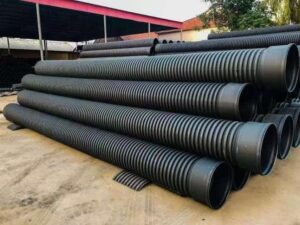
Many regions in Southeast Asia have high levels of moisture and chemicals in the soil. This increases the risk of corrosion. Metal pipes are particularly vulnerable to rust. Even some plastic pipes can degrade if not formulated for these conditions. The wrong choice can lead to premature failure of the water supply system.
H3: 1.3 Heavy Rainfall and Flooding
Monsoon seasons bring heavy rains and occasional flooding. This can cause soil movement and shifting. Pipes must be able to withstand these changes. Rigid materials like PVC may crack under pressure from shifting soil. Flexible HDPE pipes, however, can bend and adapt without breaking.
H2: 2. Key Differences Between HDPE and PVC Pipes
Before choosing, it’s important to understand the core differences between HDPE and PVC. Both are plastic pipes, but they behave very differently under Southeast Asian conditions.
H3: 2.1 Material Composition and Flexibility
HDPE (High-Density Polyethylene) is a thermoplastic polymer. It is known for its high flexibility and impact resistance. It can bend without breaking, even at low temperatures. PVC (Polyvinyl Chloride) is a rigid plastic. It is stiffer and less flexible than HDPE. This makes it more prone to cracking under stress.
H3: 2.2 Temperature Resistance
PVC pipes have a lower maximum operating temperature. They are not ideal for carrying hot water. In tropical climates, even the water inside the pipes can get very warm. This can cause PVC to soften or warp over time. HDPE pipes have a higher temperature tolerance. They perform better in hot conditions.
H3: 2.3 Chemical and Corrosion Resistance
Both HDPE and PVC are resistant to corrosion from most chemicals. However, HDPE has better resistance to acids and alkalis. It is also unaffected by saltwater, which is common in coastal areas of Southeast Asia. This makes it a better choice for projects near the sea.
H2: 3. Performance in Southeast Asian Water Supply Projects
Let’s see how each material holds up in real-world water supply applications across the region.
H3: 3.1 Durability in Harsh Conditions
HDPE pipes are built to last. They have a lifespan of up to 50 years when installed correctly. Their flexibility allows them to withstand ground movement. This is especially useful in flood-prone areas. PVC pipes, while durable, are more rigid. They are more likely to crack if the soil shifts. This can lead to costly repairs.
H3: 3.2 Leak Prevention and Joint Strength
Leakage is a major concern in water supply projects. It wastes water and increases costs. HDPE pipes use heat fusion to create seamless joints. These joints are as strong as the pipe itself. They eliminate the risk of leaks at connection points. PVC pipes use solvent cement or rubber gaskets for joints. Over time, these seals can degrade due to heat and humidity. This can lead to leaks.
H3: 3.3 Installation Ease and Speed
Installing HDPE pipes is faster and simpler. They are lightweight and flexible. They can be coiled for easy transport. This reduces the number of joints needed on-site. For example, our HDPE water supply pipes come in long lengths. This cuts down on installation time and labor costs. PVC pipes are rigid and come in shorter lengths. They require more joints, which takes longer to install.
H2: 4. Cost Comparison: Upfront vs. Long-Term
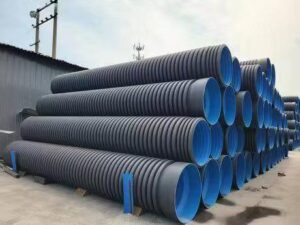
Cost is a key factor in any project. It’s important to look beyond the initial purchase price.
H3: 4.1 Initial Material Cost
PVC pipes are generally cheaper upfront than HDPE. This makes them a common choice for small projects. However, the difference in cost is often offset by installation expenses. HDPE’s faster installation reduces labor costs. This can make the total project cost competitive.
H3: 4.2 Installation and Labor Costs
HDPE pipes require fewer joints. They can be installed with simple heat fusion tools. This speeds up the process. PVC pipes require more time to cut, fit, and glue joints. This increases labor costs, especially for large projects.
H3: 4.3 Maintenance and Replacement Costs
The biggest savings with HDPE come from low maintenance. They rarely need repairs. Their long lifespan means fewer replacements. PVC pipes, on the other hand, may need repairs or replacement sooner. This adds to the total cost of ownership over time. For example, a project using our high-quality HDPE pipes will spend far less on maintenance than one using cheaper alternatives.
H2: 5. Ideal Use Cases for Each Pipe Material
Neither HDPE nor PVC is perfect for every situation. Here’s how to choose based on your specific project needs.
H3: 5.1 When to Choose HDPE Pipes
HDPE is the clear winner for most water supply projects in Southeast Asia. It is ideal for:
– Coastal projects: Its saltwater resistance makes it perfect for seaside communities.
– Flood-prone areas: Its flexibility handles soil movement without breaking.
– Long-distance pipelines: Seamless joints prevent leaks over miles of pipe.
– Hot climates: It maintains its strength even in high temperatures.
If your project falls into any of these categories, our HDPE pipe solution are designed to meet your needs. We offer a range of sizes and specifications for water supply applications.
H3: 5.2 When PVC Might Still Be a Good Option
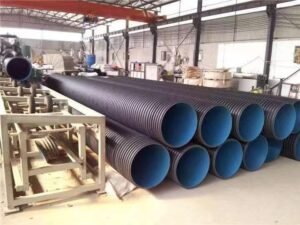
PVC pipes can be a good choice for specific applications. They are suitable for:
– Indoor plumbing: Short, straight runs inside buildings where flexibility is not needed.
– Cold water lines: Projects where water temperature remains consistently low.
– Low-budget, short-term projects: Where long-term durability is not the top priority.
However, for most outdoor and long-term water supply projects, HDPE is the more reliable choice.
H2: 6. Common Myths About HDPE and PVC Pipes
Let’s debunk some common misconceptions about these two materials.
H3: 6.1 Myth: PVC is always cheaper than HDPE
As we discussed earlier, this is only true for the initial purchase price. When you factor in installation, maintenance, and lifespan, HDPE often becomes the more cost-effective option.
H3: 6.2 Myth: HDPE pipes are hard to install
This is not true. HDPE installation is simple with the right tools. Heat fusion creates strong, leak-proof joints quickly. Many contractors find it faster than working with PVC solvent cement.
H3: 6.3 Myth: PVC pipes are better for drinking water
Both HDPE and PVC are safe for potable water when they meet international standards. However, HDPE is more chemically inert. It does not leach any harmful substances into the water. This makes it a preferred choice for many modern water supply systems.
H2: 7. Final Recommendations for Your Southeast Asian Project
Choosing between HDPE and PVC depends on your project’s specific needs. But based on the unique challenges of Southeast Asia, HDPE is the superior choice for most water supply applications.
It offers unmatched durability, flexibility, and corrosion resistance. It is built to withstand the region’s heat, humidity, and occasional floods. While PVC may work for small, indoor projects, HDPE provides long-term reliability and peace of mind.
If you are planning a water supply project in Southeast Asia, we can help. We specialize in high-quality HDPE pipes for municipal and industrial applications. Our products are designed to perform in tropical climates. We offer full technical support and logistics services to keep your project on track. To discuss your specific requirements, contact us today.
For authoritative data on water infrastructure materials, refer to International Water Association (IWA) Reports
Partner Links: