![High-quality HDPE, PPR, PE, and PVC pipes supplied to projects worldwide – [Ten Dharma Realms Pipeline Company] | Exported to Europe, America, the Middle East, Southeast Asia, and Central Asia,Factory direct wholesale](https://sfjindustry.com/wp-content/uploads/2026/03/cropped-更换logo背景为透明-1.png)
Introduction
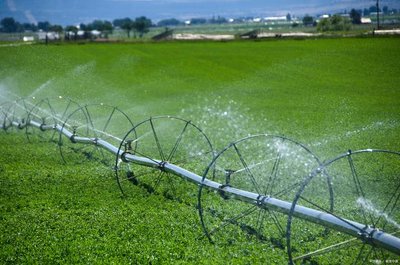
It consumes approximately 70% of the world’s freshwater resources.
Efficient water management has become critical for modern farming operations.
PE pipes have emerged as a transformative solution in agricultural infrastructure.
They offer unmatched durability and flexibility for water distribution systems.
This article explores the comprehensive applications of PE pipes in agriculture.
It covers their benefits, installation practices, and long-term value for farmers worldwide.
What Are PE Pipes?
It is a thermoplastic polymer made from petroleum.
PE pipes are manufactured through extrusion processes.
They come in various densities and pressure ratings.
The most common types are HDPE and LDPE.
HDPE stands for high-density polyethylene.
LDPE stands for low-density polyethylene.
Each type serves specific agricultural purposes.
Modern PE pipes include UV-stabilized formulations.
These formulations resist degradation from sunlight exposure.
Key Properties of PE Pipes for Agricultural Use
Exceptional Durability
They typically last 50 years or more under normal conditions.
They resist corrosion from soil and water chemicals.
Unlike metal pipes, they do not rust or scale over time.
They withstand extreme temperature variations.
They remain flexible even in freezing conditions.
This flexibility prevents cracking during cold winters.
They also resist damage from soil movement and settlement.
Superior Flexibility
This property simplifies installation around obstacles.
Farmers can lay them along uneven terrain.
They follow the natural contours of the land.
This reduces the need for expensive fittings and joints.
Flexible PE pipes absorb shocks and vibrations.
They handle sudden pressure changes better than rigid pipes.
This makes them ideal for variable water flow systems.
Chemical Resistance
PE pipes resist chemical attack from these substances.
They do not leach harmful chemicals into the water.
This protects both crops and soil quality.
They also resist biological growth inside the pipes.
Algae and bacteria cannot easily attach to PE surfaces.
This maintains consistent water flow over time.
It reduces maintenance requirements significantly.
Lightweight Construction
This reduces transportation costs to remote farm locations.
Installation requires fewer workers and less heavy equipment.
Farmers can handle and install PE pipes themselves in many cases.
Lightweight construction speeds up project timelines.
It also reduces labor costs substantially.
This makes PE pipes accessible to small-scale farmers.
Major Applications of PE Pipes in Agriculture
Irrigation Systems
Modern farms rely on efficient irrigation to maximize crop yields.
PE pipes form the backbone of these systems.
They distribute water from sources to individual plants.
Different irrigation methods use PE pipes in various ways.
Drip Irrigation Systems
It is the most water-efficient irrigation method available.
PE pipes serve as the main distribution lines in drip systems.
Smaller PE tubing connects to these main lines.
Emitters attached to the tubing release water slowly and evenly.
This method reduces water waste by up to 60% compared to flood irrigation.
It also minimizes weed growth and disease spread.
PE pipes work perfectly with precision agriculture technologies.
Sprinkler Irrigation Systems
They simulate natural rainfall patterns.
PE pipes transport water to sprinkler heads across the field.
Both above-ground and underground sprinkler systems use PE pipes.
Portable sprinkler systems rely heavily on lightweight PE pipes.
Farmers can easily move these systems between different fields.
PE pipes handle the pressure requirements of most sprinkler systems.
They resist damage from frequent movement and handling.
Center Pivot Irrigation Systems
They rotate around a central point to distribute water.
PE pipes run along the length of the pivot arms.
They deliver water to individual sprinkler nozzles.
Modern center pivots use flexible PE pipes exclusively.
These pipes withstand the constant movement of the system.
They also resist corrosion from mineral-rich irrigation water.
PE pipes have significantly reduced maintenance costs for pivot systems.
Subsurface Irrigation Systems
Water is delivered directly to the root zone.
This method eliminates evaporation losses completely.
PE pipes are ideal for subsurface applications.
They resist root intrusion and soil pressure.
They do not corrode when buried for decades.
Subsurface PE irrigation systems can last 30-50 years without replacement.
Drainage Systems
Excess water can drown plant roots and promote disease.
PE pipes provide reliable drainage solutions for agricultural land.
They collect and remove excess water from fields.
Perforated PE pipes are commonly used for this purpose.
Water enters the pipes through small holes along their length.
The pipes then transport the water to drainage ditches or streams.
PE drainage pipes resist clogging from soil particles.
They also handle heavy sediment loads effectively.
Livestock Watering Systems
PE pipes deliver water to troughs and drinking stations.
They work for both pasture and confined feeding operations.
PE pipes resist damage from animal contact.
They do not leach chemicals that could harm livestock.
Buried PE water lines protect water from freezing in winter.
They also prevent contamination from surface runoff.
Farmers can easily extend PE systems as their herds grow.
Greenhouse and Nursery Applications
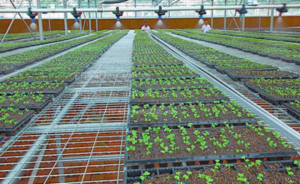
PE pipes support sophisticated irrigation and fertigation systems.
Fertigation combines water and fertilizer delivery.
PE pipes handle the chemical fertilizers used in these systems.
They also work with misting and fogging systems for humidity control.
Small-diameter PE tubing is perfect for individual plant watering.
Greenhouse operators can easily reconfigure PE systems as needed.
This flexibility supports changing crop rotations and growing practices.
Aquaculture Applications
PE pipes play a vital role in fish and shrimp farming.
They supply fresh water to ponds and tanks.
They also remove waste water for treatment.
PE pipes resist corrosion from saltwater and fish waste.
They are non-toxic to aquatic organisms.
Flexible PE pipes can be easily routed around aquaculture facilities.
They also work with aeration systems to maintain water quality.
Comparison of PE Pipes with Traditional Agricultural Pipes
PE Pipes vs. PVC Pipes
PE pipes now offer significant advantages over PVC.
PE is more flexible than PVC.
It requires fewer joints and fittings.
PE pipes can withstand freezing temperatures better.
PVC becomes brittle in cold conditions and cracks easily.
PE pipes are more impact-resistant than PVC.
They handle rough handling during installation better.
PE also has better chemical resistance than PVC.
It lasts longer in aggressive soil and water conditions.
PE Pipes vs. Metal Pipes
They are heavy and difficult to install.
Metal pipes corrode over time, reducing water flow.
Corrosion can also contaminate water supplies.
PE pipes are much lighter than metal pipes.
They do not corrode or rust.
PE pipes have lower friction losses than metal pipes.
This reduces pumping energy costs significantly.
Metal pipes require regular maintenance to prevent leaks.
PE pipes require almost no maintenance once installed.
PE Pipes vs. Concrete Pipes
They are extremely heavy and require heavy equipment for installation.
Concrete pipes are brittle and crack easily under pressure.
They also have high friction losses, increasing pumping costs.
PE pipes are lighter and easier to install.
They are more flexible and resistant to cracking.
PE pipes have smoother interiors than concrete pipes.
This improves water flow efficiency.
PE pipes also resist chemical attack better than concrete.
They last longer in acidic soil conditions.
Different Types of PE Pipes for Agricultural Applications
HDPE Pipes (High-Density Polyethylene)
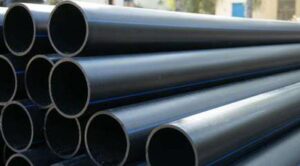
They have high strength and durability.
They can handle higher water pressures than other PE types.
HDPE pipes are ideal for main distribution lines.
They work well for both above-ground and buried applications.
They resist UV radiation when properly formulated.
HDPE pipes are available in diameters from 1/2 inch to 63 inches.
This wide range covers all agricultural water needs.
LDPE Pipes (Low-Density Polyethylene)
They are less rigid and easier to bend.
LDPE pipes are commonly used for lateral lines in irrigation systems.
They work well for drip and sprinkler laterals.
They are also used for temporary irrigation setups.
LDPE pipes are less expensive than HDPE pipes.
However, they have lower pressure ratings.
They are not suitable for high-pressure applications.
MDPE Pipes (Medium-Density Polyethylene)
They offer good flexibility and moderate strength.
MDPE pipes are used for gas distribution in some regions.
In agriculture, they work well for medium-pressure water lines.
They are more flexible than HDPE but stronger than LDPE.
MDPE pipes resist cracking better than HDPE in some conditions.
They are a good choice for variable pressure systems.
LLDPE Pipes (Linear Low-Density Polyethylene)
They are very flexible and tough.
LLDPE is commonly used for manufacturing drip tubing.
It also works well for thin-walled irrigation tubes.
LLDPE pipes can stretch significantly without breaking.
This makes them ideal for applications requiring flexibility.
They are often used in portable irrigation systems.
PE-RT Pipes (Polyethylene of Raised Temperature Resistance)
They are designed for hot water applications.
In agriculture, they are used for greenhouse heating systems.
They also work for warm water irrigation in some climates.
PE-RT pipes maintain their strength at temperatures up to 140°F (60°C).
They offer the same durability and flexibility as standard PE pipes.
Installation Best Practices for Agricultural PE Pipes
Pre-Installation Planning
Start by mapping the entire water distribution system.
Calculate water flow requirements for each zone.
Select the appropriate pipe diameter and pressure rating.
Consider future expansion needs when designing the system.
Obtain necessary permits from local authorities.
Gather all required tools and materials before starting.
Train workers on proper PE pipe handling and installation techniques.
Trenching and Preparation
Trenches should be deep enough to protect pipes from damage.
In cold climates, bury pipes below the frost line.
Remove sharp rocks and debris from the trench bottom.
Create a smooth bed of sand or fine soil for the pipes.
This prevents punctures from sharp objects.
Ensure proper slope for drainage systems.
Test the trench alignment before laying pipes.
Pipe Handling and Laying
Do not drag pipes across rough surfaces.
Use proper lifting equipment for large-diameter pipes.
Lay pipes in the trench without excessive tension.
Allow for thermal expansion and contraction.
PE pipes expand and contract with temperature changes.
Leave sufficient slack in the pipe runs.
Avoid sharp bends that could restrict water flow.
Joining Techniques
Several joining methods are available for agricultural applications.
Heat fusion is the most common and reliable method.
It creates a permanent, leak-proof joint.
Heat fusion includes butt fusion and socket fusion.
Butt fusion is used for larger diameter pipes.
Socket fusion works for smaller pipes and fittings.
Mechanical fittings are also available for PE pipes.
They allow for easy disassembly and modification.
Use only fittings designed specifically for PE pipes.
Pressure Testing
Fill the pipes with water and remove all air.
Pressurize the system to 1.5 times the operating pressure.
Hold the pressure for the recommended time period.
Check all joints and connections for leaks.
Repair any leaks found during testing.
Re-test the system after making repairs.
Only backfill trenches once the system passes pressure testing.
Backfilling and Compaction
Use clean, free-flowing material for the initial backfill.
Avoid large rocks and sharp objects.
Compact the backfill in layers to prevent settlement.
Do not use heavy compaction equipment directly over the pipes.
Leave a marker above the pipe route for future reference.
Document the exact location of all pipes and fittings.
This helps prevent accidental damage during future farming operations.
Maintenance and Repair of Agricultural PE Pipe Systems
Regular Inspection
Check above-ground pipes for signs of damage.
Look for cracks, punctures, or UV degradation.
Inspect all joints and connections for leaks.
Monitor water pressure and flow rates regularly.
Sudden drops in pressure may indicate underground leaks.
Check valves and fittings for proper operation.
Keep records of all inspections and maintenance activities.
Leak Detection
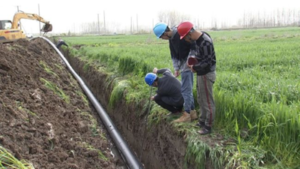
Several methods are available for leak detection.
Visual inspection may show wet spots or vegetation changes.
Listening devices can detect the sound of leaking water.
Pressure testing can confirm the presence of leaks.
Tracer gases can help locate exact leak positions.
Modern technology includes acoustic leak detection systems.
These systems are highly accurate and efficient.
Address leaks promptly to prevent water waste and crop damage.
Repair Techniques
Small punctures can be repaired with compression fittings.
Larger damage may require cutting out the damaged section.
Install a new piece of pipe using couplings.
Heat fusion provides the most permanent repair.
Mechanical couplings allow for quick repairs in the field.
Keep a supply of repair fittings on hand for emergencies.
Train farm staff on basic PE pipe repair techniques.
This minimizes downtime during critical growing periods.
Winterization
Drain all water from above-ground pipes before winter.
Install drain valves at low points in the system.
Use air compressors to blow out remaining water.
Insulate exposed pipes and fittings in cold climates.
Buried pipes below the frost line generally do not require draining.
However, check local frost depth recommendations.
Inspect valves and pumps before winter storage.
Proper winterization extends the life of your PE pipe system.
Cost-Benefit Analysis of PE Pipes in Agriculture
Initial Investment Costs
The material cost of PE pipes is similar to PVC pipes.
It is significantly lower than metal or concrete pipes.
Installation costs for PE pipes are much lower than other options.
Fewer workers and less equipment are required.
Projects can be completed faster, reducing labor costs.
PE pipes require fewer fittings and joints.
This further reduces material and installation expenses.
Long-Term Operating Costs
They have very low maintenance requirements.
No painting or corrosion protection is needed.
PE pipes have smooth interiors that reduce friction losses.
This lowers pumping energy costs by up to 30%.
Leak-free joints minimize water waste.
This reduces water bills significantly.
PE pipes have a long service life of 50+ years.
This means fewer replacement costs over time.
Return on Investment
Most farms recoup their investment within 3-7 years.
Savings come from reduced water and energy costs.
Lower maintenance and repair expenses also contribute.
Improved crop yields from better irrigation add to the returns.
PE systems increase farm productivity and profitability.
They also provide long-term asset value for the property.
Many agricultural lenders offer favorable financing for PE irrigation projects.
Sustainability and Environmental Benefits
Water Conservation
Drip irrigation using PE pipes can save up to 60% of water.
Leak-free joints prevent unnecessary water loss.
Precise water delivery ensures crops receive exactly what they need.
This reduces overwatering and runoff.
Water conservation helps preserve this precious resource.
It also allows farmers to irrigate more land with the same water supply.
This is critical in regions facing water scarcity.
Energy Efficiency
Their smooth interiors reduce friction losses in water flow.
This means pumps use less energy to move water.
Lower energy consumption reduces greenhouse gas emissions.
It also lowers farm operating costs.
Efficient irrigation systems reduce the need for excessive pumping.
This extends the life of pumps and other equipment.
Energy efficiency is becoming increasingly important for sustainable farming.
Reduced Chemical Use
Fertigation delivers fertilizers directly to plant roots.
This reduces fertilizer waste and runoff.
Precise chemical application minimizes environmental impact.
It also reduces the amount of chemicals needed for crop production.
PE pipes do not leach harmful chemicals into the environment.
They are non-toxic to plants, animals, and humans.
This protects soil and water quality for future generations.
Recyclability
Old PE pipes can be collected and processed into new products.
This reduces waste sent to landfills.
It also conserves natural resources used in manufacturing.
Many pipe manufacturers offer recycling programs for old pipes.
Recycling PE requires less energy than producing new material.
This further reduces the environmental footprint of PE pipe systems.
Sustainable material choices are essential for modern agriculture.
Future Trends and Innovations
Smart Irrigation Integration
Sensors monitor soil moisture and weather conditions.
Automated systems adjust water delivery based on real-time data.
PE pipes work seamlessly with these advanced control systems.
They support variable rate irrigation for different crop zones.
Smart irrigation further improves water and energy efficiency.
It reduces labor requirements for farm operations.
Future systems will include even more advanced monitoring capabilities.
Advanced Material Developments
New formulations offer enhanced UV resistance.
They also provide better chemical and abrasion resistance.
Nanotechnology is being used to improve pipe properties.
Antimicrobial coatings prevent biological growth inside pipes.
Self-healing materials are being developed for PE pipes.
These materials can automatically repair small punctures.
Advanced materials will extend the service life of PE pipes even further.
Precision Agriculture Integration
PE pipes play a crucial role in this transformation.
They support variable rate irrigation and fertigation.
GPS technology helps map and design optimal pipe layouts.
Drones are used to inspect large PE pipe systems quickly.
Data analytics optimize water and nutrient delivery.
Future farms will rely heavily on integrated PE pipe systems.
These systems will be fully connected to farm management software.
Climate Change Adaptation
Changing rainfall patterns and increasing temperatures require better water management.
PE pipe systems help farmers adapt to these changes.
They allow for efficient use of limited water resources.
Drought-resistant irrigation systems become essential.
PE pipes also support flood control and drainage systems.
They help manage excess water during heavy rainfall events.
Climate change adaptation will drive continued demand for PE pipes in agriculture.
Conclusion
Their unique combination of properties makes them ideal for farming applications.
They offer exceptional durability, flexibility, and chemical resistance.
PE pipes support all major agricultural water management needs.
They work for irrigation, drainage, livestock watering, and more.
Compared to traditional pipe materials, PE offers significant advantages.
It reduces installation and operating costs substantially.
PE pipes also provide important environmental benefits.
They conserve water and energy while reducing chemical use.
Ongoing innovations will further improve their performance.
Integration with smart and precision agriculture technologies will continue.
PE pipes will play a critical role in feeding the growing global population.
They will help farmers adapt to climate change and water scarcity.
Investing in PE pipe systems provides long-term value for agricultural operations.
It improves productivity, profitability, and sustainability.
For modern farmers, PE pipes are not just a choice—they are a necessity.