![High-quality HDPE, PPR, PE, and PVC pipes supplied to projects worldwide – [Ten Dharma Realms Pipeline Company] | Exported to Europe, America, the Middle East, Southeast Asia, and Central Asia,Factory direct wholesale](https://sfjindustry.com/wp-content/uploads/2026/03/cropped-更换logo背景为透明-1.png)
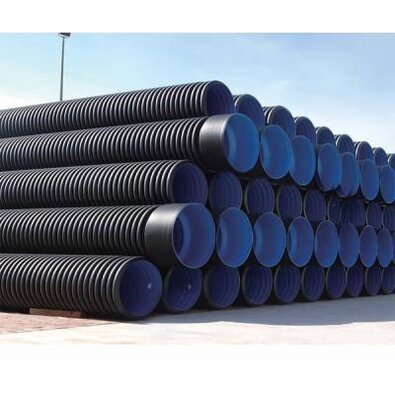
Global carbon reduction and carbon neutrality targets are reshaping every sector of the modern construction and infrastructure industry. Low-carbon pipe materials have emerged as an essential component of sustainable engineering and green building projects across the globe.
Conventional pipe materials create significant environmental burdens throughout their full lifecycle. Traditional piping solutions produce high carbon emissions during manufacturing, transportation, on-site installation, and long-term operational cycles. They also generate massive construction waste and require frequent maintenance that raises overall project carbon footprints.
HDPE pipes and stainless steel pipes stand out as the most practical, high-performance low-carbon pipe materials available for modern green construction. Both sustainable piping options deliver stable mechanical performance, reliable operational safety, and superior pipe sustainability advantages over traditional pipe alternatives.
This in-depth article explores the core sustainability characteristics of HDPE and stainless steel low-carbon piping solutions. It compares their embodied carbon output, full-lifecycle recyclability, long-term durability, and practical application value for contemporary low-carbon infrastructure development.
1. Why Low-Carbon Pipe Materials Are Critical for Green Infrastructure
Modern infrastructure development no longer focuses solely on structural stability, load capacity, and economic cost efficiency. Low carbon output, energy conservation, and long-term environmental compatibility have become non-negotiable evaluation standards for all new construction projects.
Pipeline systems form the fundamental framework of municipal water supply, urban drainage, industrial fluid transmission, and civil engineering projects. The selection of pipe materials directly determines the overall lifecycle carbon footprint of entire construction and infrastructure systems.
1.1 Carbon Defects of Traditional Piping Materials
Nearly all traditional pipe materials fail to meet current low-carbon sustainability requirements for green infrastructure. Common options include concrete pipes, ordinary carbon steel pipes, and generic plastic pipes, all of which carry obvious environmental and carbon-related drawbacks.
Concrete pipe production demands massive volumes of cement, sand, and stone aggregates. The high-temperature calcination and prolonged curing processes release substantial CO₂ emissions and consume large amounts of industrial energy.
Standard carbon steel pipes rely on energy-intensive high-temperature smelting and repeated anti-corrosion coating treatments. These manufacturing and maintenance processes consume vast energy resources and generate large quantities of industrial waste and pollutants.
Many conventional plastic pipes depend on high-pollution chemical polymerization workflows. They also lack effective industrial recyclability, resulting in massive landfill waste and persistent environmental pollution after pipe replacement.
1.2 Core Evaluation Standards for Low-Carbon Pipe Sustainability
Truly qualified low-carbon pipe materials must undergo comprehensive full lifecycle carbon assessment. This professional evaluation covers every stage: raw material processing, industrial production, logistics transportation, on-site installation, daily operation, and end-of-life disposal or recycling.
Low embodied carbon during manufacturing acts as the basic threshold standard for qualified green piping materials. Reduced industrial energy consumption directly cuts initial carbon emissions and lessens the environmental impact of pipe production.
Extended service life serves as another vital pipe sustainability indicator for low-carbon construction. Longer-lasting low-carbon pipe materials reduce overall replacement frequency and effectively lower cumulative carbon emissions for infrastructure projects.
Complete recyclability and material reusability allow premium low-carbon pipe materials to support mature circular economy models. This circular development pattern fundamentally reduces raw resource waste and continuous carbon output in the construction industry.
2. HDPE Pipe: Premium Lightweight Low-Carbon Pipe Material
HDPE, or High-Density Polyethylene, pipe ranks among the most widely adopted low-carbon pipe materials in modern municipal construction and industrial engineering. Its unique lightweight structure, stable physical properties, and eco-friendly characteristics establish exceptional pipe sustainability for diverse green infrastructure projects.
2.1 Low Embodied Carbon in HDPE Pipe Production
Modern HDPE pipe manufacturing utilizes mature low-energy polymerization and extrusion technology. The overall carbon emission level of HDPE pipe production is significantly lower than traditional metal pipes and concrete pipe materials.
Professional industry lifecycle analysis data confirms that HDPE pipe production emits approximately 35% less CO₂ than conventional PVC pipe manufacturing. It also consumes far less industrial energy compared to stainless steel and ordinary carbon steel pipe production processes.
Advanced HDPE production factories adopt clean electric heating systems and efficient waste gas recovery equipment. These green manufacturing technologies further minimize greenhouse gas emissions and reduce the carbon footprint of HDPE low-carbon pipe materials.
The prominent lightweight feature of HDPE pipes also cuts downstream transportation energy consumption. Lighter pipe products reduce fuel consumption during logistics and delivery, effectively lowering indirect carbon emissions for the entire piping system lifecycle.
2.2 Ultra-Long Service Life Improves Pipe Sustainability
A pipe material’s service life directly influences the comprehensive carbon footprint of low-carbon piping systems. Frequent pipe dismantling and replacement produce massive additional carbon emissions and unnecessary construction waste.
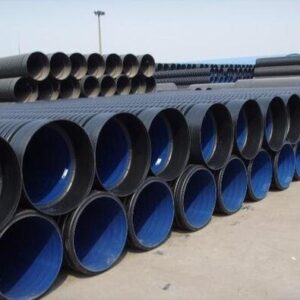
High-quality industrial and municipal HDPE pipes deliver a stable service life of over 100 years under standard operating conditions. This ultra-long lifespan greatly surpasses the 30 to 50 year functional cycle of most traditional piping materials.
HDPE low-carbon pipe materials possess outstanding natural corrosion resistance and anti-aging performance. They effectively resist damage from acidic soil, alkaline water, and long-term environmental erosion without regular anti-corrosion maintenance.
Reduced routine maintenance and repair work saves substantial human resources and auxiliary construction materials. It also eliminates secondary carbon emissions generated by repeated on-site construction and emergency pipeline repairs.
2.3 100% Recyclability Supports Circular Low-Carbon Piping
Full recyclability stands as the most core competitive advantage of HDPE as a sustainable low-carbon pipe material. All standard HDPE materials feature the universal global recycling code “2”, ensuring wide compatibility with international recycling systems.
Waste and retired HDPE pipes can be fully crushed, high-temperature melted, and reprocessed into brand-new piping products or other industrial plastic engineering materials. The entire recycling process produces zero harmful waste or toxic pollutants.
Manufacturing new piping products with recycled HDPE raw materials cuts production carbon emissions by more than 40% compared to production using pure new raw materials. This dramatic reduction significantly improves the overall pipe sustainability of HDPE piping systems.
A 2024 authoritative European infrastructure industry study verifies that large-scale global application of HDPE low-carbon pipe materials saves millions of tons of crude oil energy every year. It also reduces nearly 100 million tons of annual greenhouse gas emissions for urban infrastructure systems.
3. Stainless Steel Pipe: High-Durability Low-Carbon Pipe Material
Stainless steel pipe is a classic high-performance low-carbon pipe material widely trusted in high-standard industrial, commercial, and municipal engineering. Its exceptional structural durability, chemical stability, and high recyclability deliver consistent long-term pipe sustainability for premium green infrastructure projects.
3.1 Lifecycle Carbon Advantages of Stainless Steel Pipes
Stainless steel pipe manufacturing requires moderate industrial energy input, but its full lifecycle carbon performance far exceeds that of traditional carbon steel and alloy pipe materials.
Unlike ordinary carbon steel pipes, premium stainless steel pipes require no repeated anti-corrosion painting, coating repair, or surface rust treatment. These ongoing maintenance procedures represent the largest source of long-term carbon emissions for traditional metal piping systems.
High-grade 304 and 316L stainless steel pipes perfectly adapt to extreme and harsh working environments. They maintain stable structural performance under high-temperature, high-pressure, and strong corrosive medium conditions.
With a stable service life of more than 70 years, stainless steel pipes greatly reduce the overall renewal frequency of engineering piping systems. This longevity effectively lowers the cumulative carbon emissions of long-term infrastructure operation.
3.2 Zero Pollution Operation Enhances Pipe Sustainability
Stainless steel low-carbon pipe materials feature extremely smooth and dense inner wall surfaces. This unique physical property completely prevents pipeline scaling, medium adhesion, and bacterial growth during long-term fluid transmission.
Smooth inner pipe walls significantly reduce fluid friction resistance within the pipeline system. Lower friction cuts pump operating energy consumption, achieving stable long-term energy-saving and carbon-reducing operational effects.
Stainless steel materials boast highly stable chemical properties. They never precipitate harmful chemical substances or heavy metals, eliminating water and soil pollution risks during long-term pipeline operation.
This zero-pollution operational characteristic makes stainless steel pipes the ideal low-carbon pipe material for drinking water delivery, food processing fluid transmission, and medical sanitation engineering projects.
3.3 Ultra-High Recycling Rate Realizes Low-Carbon Cycle
Stainless steel ranks among the most recyclable structural metal materials in the modern construction industry. The global industrial recycling rate of stainless steel pipes exceeds 92% in official engineering waste treatment systems.
Retired waste stainless steel pipes can be completely remelted and reprocessed without any loss of material performance. Recycled stainless steel retains the same structural stability, hardness, and corrosion resistance as newly smelted stainless steel materials.
Large-scale stainless steel pipe recycling drastically reduces the demand for original ore mining and primary metal smelting. It cuts massive carbon emissions and resource consumption generated by traditional metal production workflows.
4. HDPE vs Stainless Steel: Comprehensive Low-Carbon Pipe Sustainability Comparison
HDPE pipes and stainless steel pipes are both mainstream, high-value low-carbon pipe materials for green infrastructure. However, they possess distinct sustainability strengths and suit different engineering application scenarios.
4.1 Embodied Carbon and Production Energy Consumption
HDPE low-carbon pipe materials hold clear advantages in low-carbon manufacturing. Their polymer extrusion production process consumes minimal industrial energy and produces extremely low initial embodied carbon emissions.
Stainless steel pipe manufacturing involves high-temperature smelting and precision processing, resulting in higher single-unit production carbon emissions compared to HDPE pipe materials.
Even with higher initial production carbon output, stainless steel pipes offset this disadvantage through ultra-long service life and zero routine maintenance. Their long-term comprehensive carbon reduction benefits become highly prominent over decades of operation.
4.2 Operational Sustainability in Engineering Scenarios
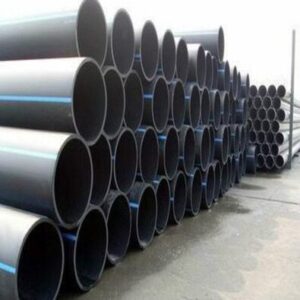
HDPE pipes excel in municipal drainage, buried water supply pipelines, and rural infrastructure construction. Their lightweight, flexible structure simplifies installation and greatly reduces on-site construction carbon emissions.
HDPE low-carbon pipe materials feature excellent seismic resistance and foundation deformation adaptability. They effectively reduce pipeline damage risks and avoid extra carbon emissions caused by emergency repairs and pipeline reconstruction.
Stainless steel pipes are the preferred low-carbon pipe material for high-standard industrial pipelines, high-rise building water supply, and medical fluid transmission systems. Their high cleanliness and structural stability support high-end green engineering standards.
Stainless steel piping systems prevent pipeline scaling, water quality deterioration, and microbial contamination. This stable performance reduces long-term energy waste and secondary environmental pollution.
4.3 End-of-Life Sustainable Performance
Both HDPE and stainless steel low-carbon pipe materials support complete circular economy development, with minor differences in their industrial recycling modes.
HDPE pipes adopt simple physical recycling workflows, featuring low processing energy consumption and low recycling carbon costs. This makes HDPE recycling suitable for large-scale industrial popularization and promotion.
Stainless steel pipes adopt professional metallurgical remelting recycling processes. Though relatively complex, this method achieves 100% material reuse with zero waste generation.
5. Main Application Scenarios of Low-Carbon HDPE and Stainless Steel Pipes
The wide promotion and application of qualified low-carbon pipe materials is essential to accelerate the transformation of traditional infrastructure to green, low-carbon systems. Different engineering scenarios require targeted selection of HDPE or stainless steel sustainable piping solutions.
In urban municipal water supply and drainage engineering, HDPE low-carbon pipes dominate mainstream market applications. Their affordable cost, convenient construction workflow, and low carbon footprint perfectly meet large-scale urban infrastructure construction needs.
In chemical industrial transmission, marine engineering, and high-corrosion environments, stainless steel pipes become the primary choice. Their superior corrosion resistance and high-temperature stability ensure safe, sustainable long-term pipeline operation.
In high-rise building water supply and fire protection pipeline systems, the combined application of HDPE and stainless steel pipes optimizes overall project sustainability. This matching usage balances construction costs and long-term environmental benefits effectively.
In new energy projects and high-standard green building constructions, these two low-carbon pipe materials have become standard supporting configurations. They help construction projects pass professional green building carbon assessments and obtain authoritative environmental certification.
6. Future Development Trends of Low-Carbon Pipe Materials
Driven by increasingly strict global carbon neutrality policies and green construction standards, market demand for high-quality low-carbon pipe materials will maintain steady and rapid growth.
Future HDPE pipe material research and production will focus on increasing recycled material proportions and optimizing low-carbon polymerization technology. Innovative material formulas will further cut production carbon emissions and improve resource utilization efficiency.
The stainless steel pipe industry will continue to promote energy-saving smelting equipment and green processing technologies. These upgrades will lower initial carbon input while retaining the high mechanical and environmental performance of stainless steel low-carbon pipe materials.
Intelligent full lifecycle management will become a key new trend for improving pipe sustainability. Real-time digital monitoring of pipeline operating status will reduce unnecessary maintenance energy consumption and carbon waste.
New composite piping solutions combining HDPE and stainless steel materials will further expand application boundaries. These innovative composite structures will provide more efficient, low-carbon piping options for complex modern engineering scenarios.
7. Conclusion
HDPE and stainless steel pipes represent two core categories of high-performance low-carbon pipe materials for modern green infrastructure. Both piping solutions deliver outstanding pipe sustainability throughout their complete industrial lifecycles.
HDPE low-carbon pipes feature ultra-low production carbon emissions, lightweight convenient installation, 100% recyclable properties, and century-long service life. They serve as cost-effective, eco-friendly piping choices for large-scale municipal and civil infrastructure projects.
Stainless steel low-carbon pipe materials rely on extreme structural durability, zero-pollution operational performance, and ultra-high industrial recycling rates. They provide stable, reliable low-carbon piping solutions for high-standard and high-precision engineering scenarios.
Reasonable selection and scientific matching application of these two low-carbon pipe materials can effectively reduce the overall carbon footprint of modern piping systems. This practice strongly supports the construction of energy-saving, low-carbon, and fully sustainable modern infrastructure systems.
Under the global carbon neutrality development background, prioritizing high-quality low-carbon pipe materials and optimizing piping system design has become an inevitable trend in the construction industry. Continuous technological innovation in HDPE and stainless steel piping manufacturing will further drive the sustainable development of global green infrastructure.
Learn more about low-carbon construction standards from the ISO 14001 environmental guidelines
Partner Links: