![High-quality HDPE, PPR, PE, and PVC pipes supplied to projects worldwide – [Ten Dharma Realms Pipeline Company] | Exported to Europe, America, the Middle East, Southeast Asia, and Central Asia,Factory direct wholesale](https://sfjindustry.com/wp-content/uploads/2026/03/cropped-更换logo背景为透明-1.png)
Introduction
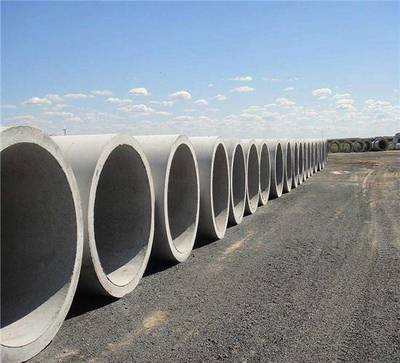
Urban municipal engineering forms the backbone of every city’s infrastructure. It supports water supply, drainage, sewage systems, and road networks.
Decades ago, cement pipes dominated these underground projects. Engineers and contractors chose them for their low upfront cost and simple production.
Today, however, cement pipes face rapid decline. More cities phase them out of new construction and pipe replacement projects. Newer materials like HDPE, PVC, and ductile iron replace them.
This shift reflects more than just changing preferences. It stems from critical performance flaws, construction challenges, and evolving industry standards.
This article explores the core reasons behind cement pipes’ decline. It compares their limitations with the advantages of modern alternatives. It also analyzes how urbanization and sustainability goals accelerate this transition.
1. Inherent Flaws That Limit Cement Pipe Performance
1.1 Brittle Structure and Vulnerability to Damage
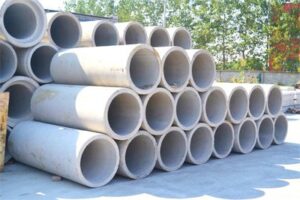
First, cement pipes rely on a rigid, concrete-based composition. This structure makes them inherently brittle. They lack flexibility to absorb stress.
Manufacturers mix cement, sand, and aggregate to form these pipes. The final product resists compression but not impact or bending.
During transportation and installation, workers often crack cement pipes. Even small drops or rough handling create hidden flaws. These flaws worsen over time underground.
Once buried, cement pipes face constant pressure from soil and traffic. Over years, this pressure causes micro-cracks to spread. Eventually, the pipe splits or collapses.
Unlike flexible pipes, cement pipes cannot shift with ground movement. They break during settlement, earthquakes, or seasonal soil expansion.
For example, in regions with frequent seismic activity, cement pipes fail at much higher rates. They cannot withstand the slight shifts common in these areas.
1.2 Excessive Weight Creates Construction and Logistics Challenges
Furthermore, cement pipes are extremely heavy. A single large-diameter pipe can weigh several tons. This weight creates logistical hurdles for every project phase.
Workers need heavy cranes to move and install cement pipes. These machines add significant costs to construction budgets. They also slow progress in tight urban spaces.
In narrow city streets, large cranes often cannot access work sites. Crews struggle to position cement pipes manually. This delays projects and increases labor hours.
Modern alternatives like HDPE pipes weigh far less. Workers can carry and install them without heavy machinery. This cuts labor costs and speeds up construction timelines.
For instance, a 300mm HDPE pipe weighs less than 10% of a comparable cement pipe. This difference transforms how crews handle materials on-site.
1.3 Poor Joint Sealing Causes Leaks and Contamination Risks
Cement pipes rely on outdated connection methods. Most use simple socket joints sealed with cement mortar. These seals degrade quickly over time.
Water flow scours the mortar seals, causing them to crack and fall out. Even small gaps allow water to leak out of the pipe. In water supply systems, this wastes massive amounts of treated water.
In sewage lines, leaks contaminate surrounding soil and groundwater. This creates environmental hazards and health risks for nearby communities.
Newer pipe systems use fusion welding or rubber gasket joints. These methods create permanent, leak-proof connections. HDPE pipes, for example, use heat fusion to join sections. The resulting joint is as strong as the pipe itself.
1.4 Corrosion and Chemical Degradation Shorten Service Life
Cement pipes face constant chemical attack from both inside and outside. Sewage contains acids, alkalis, and bacteria that eat away at concrete.
Over time, these substances dissolve the pipe’s inner walls. This erosion weakens the structure and reduces flow capacity.
Soil conditions also damage cement pipes. Acidic or saline soils corrode the outer concrete layer. This leads to spalling, where chunks of the pipe break off.
Most cement pipes only last 20–30 years under ideal conditions. Many fail much earlier in harsh environments. This forces cities to replace entire networks far sooner than planned.
In contrast, HDPE and PVC pipes resist corrosion completely. They require no coatings or linings to withstand chemicals. Their service lives exceed 50 years in most applications.
1.5 Low Hydraulic Efficiency Reduces Long-Term Functionality
Cement pipes have rough inner surfaces. These surfaces create high friction resistance for flowing water. This requires more pumping power to move the same volume of fluid.
Over time, sediment and debris build up on these rough walls. This narrows the pipe’s effective diameter. It reduces flow rates and increases the risk of clogs.
Modern plastic pipes have smooth, non-stick interiors. They maintain consistent flow rates for decades. They also resist biofilm growth and sediment buildup.
For example, a 300mm HDPE pipe maintains 95% of its original flow capacity after 30 years. A similar cement pipe might only retain 60% of its capacity.
2. Construction and Maintenance Challenges That Slow Projects
2.1 Slow Installation Delays Project Timelines
Cement pipe installation requires multiple time-consuming steps. Crews must prepare joints, mix mortar, and wait for seals to cure. This adds days or weeks to project schedules.
In contrast, plastic pipes connect quickly. HDPE pipes use heat fusion that takes minutes per joint. PVC pipes use solvent welds or push-fit connections that require no curing time.
For urban projects with tight deadlines, speed matters. Cities cannot afford to close roads for weeks to install cement pipes. Faster installation with modern pipes minimizes disruption to traffic and businesses.
2.2 Limited Compatibility with Trenchless Construction
Most cities now prefer trenchless construction methods. These techniques reduce excavation and surface disruption. They include horizontal directional drilling (HDD) and pipe bursting.
Cement pipes cannot adapt to these methods. Their rigidity and brittleness make them unsuitable for bending or pulling through boreholes.
Flexible pipes like HDPE thrive in trenchless projects. They bend to navigate underground obstacles. They also withstand the tension of being pulled through boreholes.
In a 2023 urban renewal project in Berlin, crews replaced old cement pipes using pipe bursting. They installed HDPE pipes without digging up the entire street. The project finished 40% faster than traditional methods.
2.3 Costly and Disruptive Maintenance Requirements
Cement pipe failures often go undetected until major problems occur. Cracks and leaks stay hidden underground for years. By the time crews find them, the damage is extensive.
Repairing cement pipes requires large-scale excavation. Crews must dig up roads to access damaged sections. This disrupts traffic and requires costly road repairs afterward.
Modern pipes use smart monitoring systems. These systems detect leaks and blockages early. Crews can perform targeted repairs without major excavation.
Over the life of a pipe network, maintenance costs for cement pipes far exceed those of plastic alternatives. Cities spend millions annually fixing broken cement pipes and restoring roads.
3. Modern Pipe Alternatives That Outperform Cement
3.1 HDPE Pipes: The New Standard for Municipal Projects
HDPE pipes have become the go-to choice for many municipal applications. They offer a rare combination of strength, flexibility, and durability.
First, HDPE pipes resist impact and ground movement. They bend without breaking, even during earthquakes or soil settlement. This reduces the risk of sudden failures.
Second, their fusion-welded joints eliminate leaks. This makes them ideal for water supply and sewage systems. Cities report up to 90% fewer leaks after switching to HDPE pipes.
Third, HDPE pipes weigh 80–90% less than cement pipes. This cuts transportation and installation costs significantly. Crews can install more pipe per day with less equipment.
For example, a 2022 water supply project in Tokyo used HDPE pipes for a 50km pipeline. The crew completed installation in half the time projected for cement pipes. The project also stayed 25% under budget.
3.2 PVC Pipes: Cost-Effective for Smaller Applications
PVC pipes offer a lightweight, corrosion-resistant option for smaller municipal projects. They work well in residential water lines and drainage systems.
PVC pipes have smooth inner walls that maintain high flow rates. They also resist scaling and chemical buildup. This keeps systems running efficiently for decades.
Contractors often choose PVC for community sewer lines and storm drains. Its low cost and easy installation make it ideal for these applications.
3.3 Ductile Iron Pipes: High-Pressure Water Supply Solutions
For high-pressure water mains, ductile iron pipes remain a strong competitor. They offer excellent strength and pressure resistance.
Ductile iron pipes use mechanical joints with rubber gaskets. These joints create reliable seals that resist leaks. They also accommodate minor ground movement.
Cities often use ductile iron for large-diameter water supply lines. These pipes handle the high pressures of main distribution systems.
4. Evolving Urban Standards and Sustainability Goals
4.1 Stricter Performance Requirements for Infrastructure
Modern municipal engineering demands higher standards. Cities now require pipes to last 50+ years with minimal maintenance. They also demand zero leakage to conserve water.
Cement pipes cannot meet these new standards consistently. Their high failure rates and short service lives make them unsuitable for long-term infrastructure plans.
Many countries have updated their building codes to restrict cement pipe use. New projects must use materials that meet higher durability and performance criteria.
4.2 Sustainability and Carbon Footprint Concerns
Cement production generates significant carbon emissions. Each ton of cement releases nearly one ton of CO₂. This makes cement pipes a high-carbon choice.
In contrast, HDPE and PVC pipes have lower carbon footprints. Their production uses less energy than cement manufacturing. They also reduce emissions from transportation due to their lighter weight.
Cities around the world set carbon reduction goals. Choosing low-carbon pipe materials helps them meet these targets. HDPE pipes, for example, produce 60% fewer emissions over their lifecycle than cement pipes.
Additionally, plastic pipes are fully recyclable. Old HDPE pipes can be melted and remade into new products. Cement pipes, by contrast, end up in landfills when replaced.
4.3 Total Cost of Ownership Drives Decision-Making
Many cities once chose cement pipes for their low upfront cost. They ignored the high long-term costs of maintenance and replacement.
Today, project planners calculate the total cost of ownership (TCO) over 50 years. This includes installation, maintenance, and replacement costs.
When comparing TCO, modern pipes often cost less than cement pipes. HDPE pipes, for example, have higher initial costs but require almost no maintenance. They also last twice as long as cement pipes.
A 2021 study by the International Water Association found that HDPE pipes had a 30% lower TCO than cement pipes over 50 years. The savings came from reduced maintenance and fewer replacements.
5. Real-World Examples of Cement Pipe Phase-Out
5.1 European Cities Leading the Transition
Many European cities have already phased out cement pipes. They now use HDPE and PVC for most new projects.
In Amsterdam, crews replaced 200km of old cement sewer lines with HDPE pipes between 2018 and 2022. The project reduced sewer leaks by 85%. It also cut maintenance costs by €2 million annually.
The city chose HDPE for its corrosion resistance and long service life. Officials expect the new system to last 80 years with minimal repairs.
5.2 Asian Urban Centers Adopting New Standards
Asian cities face rapid urbanization and aging infrastructure. They prioritize durable, low-maintenance pipe materials.
In Singapore, all new water supply projects use HDPE or ductile iron pipes. The city banned cement pipes for new construction in 2015. This move reduced water loss from leaks by 40%.
Indian cities like Mumbai and Delhi have also started replacing cement pipes. They use HDPE pipes in slum redevelopment and new housing projects. These pipes withstand the region’s monsoon rains and soil conditions.
5.3 North American Municipalities Upgrading Aging Networks
U.S. cities like Chicago and New York have begun replacing century-old cement pipes. They use trenchless methods with HDPE liners or new HDPE pipes.
In Chicago, a 2020 pipe replacement project used cured-in-place pipe (CIPP) technology. Crews lined old cement pipes with a resin-based liner. This created a new, leak-proof pipe inside the old one without excavation.
The project saved the city $30 million compared to full pipe replacement. It also reduced road closures by 70%.
6. The Limited Future of Cement Pipes
Cement pipes will not disappear entirely overnight. They still serve a few niche applications.
In remote rural areas, low-budget irrigation projects sometimes use cement pipes. Their low upfront cost makes them accessible for small-scale farming needs.
Temporary construction projects may also use cement pipes for short-term drainage. These applications do not require long-term durability or leak resistance.
However, cement pipes have no future in modern municipal engineering. Their performance flaws, construction challenges, and high TCO make them uncompetitive.
Manufacturers of cement pipes must adapt to survive. Some add fiber reinforcement to improve strength. Others develop polymer-modified concrete for better flexibility. These upgrades extend service life but do not match modern plastic pipes.
For most cities, the choice is clear. They will continue to replace cement pipes with HDPE, PVC, and ductile iron. These materials meet modern standards for durability, efficiency, and sustainability.
Conclusion
The decline of cement pipes in municipal engineering reflects a broader shift in infrastructure standards. Cities no longer prioritize low upfront costs over long-term performance.
Cement pipes’ inherent flaws—brittleness, heavy weight, poor sealing, and corrosion vulnerability—make them unsuitable for modern urban needs. Their slow installation and maintenance challenges further limit their use.
Newer materials like HDPE offer superior performance across all key metrics. They resist damage, eliminate leaks, and adapt to modern construction methods. They also align with sustainability goals and reduce long-term costs.
As cities grow and infrastructure ages, the transition away from cement pipes will accelerate. Governments and contractors will continue to choose materials that deliver reliability, efficiency, and value over decades.
In the end, cement pipes will remain a relic of older construction practices. They will give way to innovative materials that meet the demands of 21st-century urban living.
Partner Links: